Certified MS65$19–24Near flawless, graded by PCGS or NGC
A worn 1953 penny sells for about 4–5¢.
Uncirculated ones bring 70¢–$1.50, and a certified MS65 brings $19–24, depending on the mint mark.
An ordinary one is worth a few cents at most. Check the date and mint mark before spending it.
Advertisement
The first proof run over 100,000
For the first time, a Lincoln proof mintage passed 100,000 in 1953, when Philadelphia struck 128,800 proof cents, and the 1953 proof is also the first with a strong doubled die obverse, mostly visible in the date, with a wide spread on the 19 and extra thickness on every digit. On a couple of proof dies, someone at the Mint re-engraved the front of Lincoln's vest by hand; those coins show a harsh line there and are listed in the Cherrypickers' Guide.
Business strikes were plentiful. Combined mintage rose a little from 1952: Philadelphia and San Francisco made more, Denver fewer. Overused dies were still a problem at Philadelphia and San Francisco, so die cracks and breaks are common. Gem uncirculated coins can be found with modest searching, and roll prices are much lower than for 1952.
The grade walls are steep. Denver's 700,515,000 coins rank ninth among all wheat cent mintages and many are weakly struck from high-speed production; PCGS has certified only nine in MS67+ red. Philadelphia's 256,755,000 have roughly 400 to 500 coins in MS66 red, and the jump to MS67 is among the steepest in the series. Its record is $14,100 for an MS67 red at Heritage on January 8, 2014. San Francisco struck the fewest, 181,835,000, yet many of the year's sharpest coins, and its estimated survival rate in red is the best of the three.
What to check on this one
If you have a 1953 proof, check the date for doubling and the front of the vest for a hard, hand-cut line. Both are recognized proof varieties.
On a 1953-D, look for sharp wheat lines and crisp hair before paying a gem price; weak strikes from fast production are common.
Expect die cracks and breaks on Philadelphia and San Francisco coins; they are common this year because dies were kept in use too long.
What each 1953 penny is worth, by grade and mint mark
Grade
No mark
D
S
GoodGoodG4Heavily worn; date and letters still readable
4¢
4¢
4¢
FineFineF12Worn, but all the main lettering is clear
4¢
4¢
4¢
Very FineV. FineVF20Light to moderate wear on the high spots
5¢
5¢
5¢
Extremely FineEx. FineEF40Light wear on the highest spots only
7¢
7¢
7¢
About UncirculatedAbout Unc.AU50Traces of wear, some original shine
10¢
10¢
10¢
UncirculatedUnc.MS60No wear, but plenty of marks
85¢
70¢
$1
Choice UncirculatedChoice Unc.MS63No wear and only a few marks
$1.50
$1.50
$1.50
Gem UncirculatedGem Unc.MS65Certified and nearly flawless
$21
$24
$19
Good through About Uncirculated are for coins as found, not in a grading holder. MS60 and MS63 are uncirculated coins; MS65 is a coin certified by PCGS or NGC. For cents, MS60 and MS63 values are for brown coins, and red ones bring more. MS65 values are for coins with full original red color; brown and red-brown ones sell for less. Values checked November 16, 2026 against public price guides and auction records. How values work.
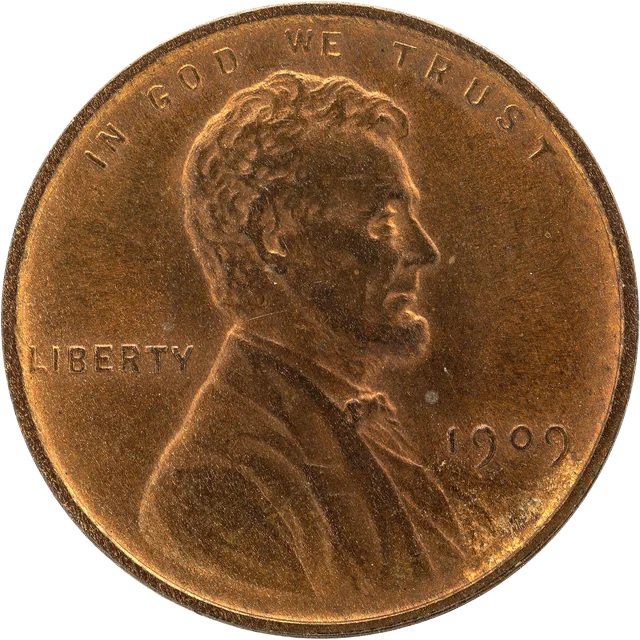
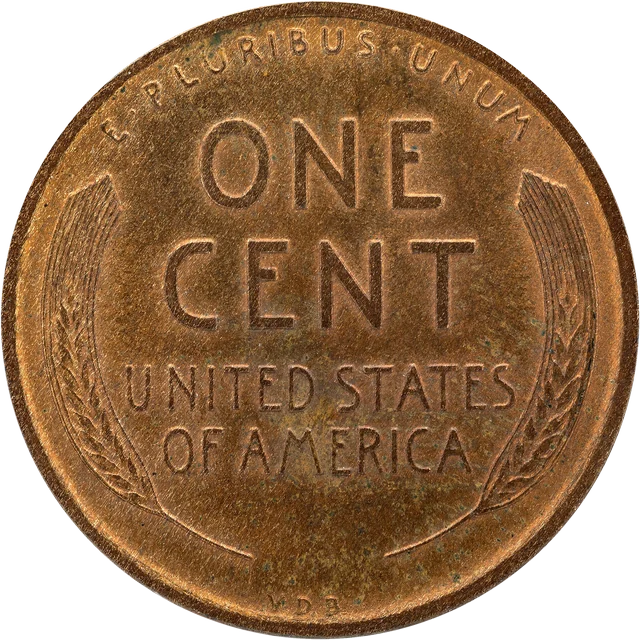
What a 1953 penny looks like
FrontBack
Shown: a 1909 VDB Lincoln wheat cent. Photos: National Numismatic Collection, National Museum of American History (photo by Jaclyn Nash), Public domain, via Wikimedia Commons.
Varieties and errors to check
No major varieties are listed for 1953 pennies. Minor errors and die varieties interest specialists, but for ordinary coins condition and mint mark set the value.
Find the mint mark
Front of the coin, just below the date. Philadelphia cents have no letter, and neither do the 1964 cents struck in San Francisco or the cents struck at West Point from 1974.
What it's made of
Bronze (95% copper, 5% tin and zinc), 3.11 grams, about 4¢ of copper
Melting cents and nickels is not allowed under U.S. Mint rules, so copper and nickel value is a guide only.
Mintage
How many were made
Coin
Type
Mintage
1953-D
For circulation
700,515,000
1953 (no mint mark)
For circulation
256,755,000
1953-S
For circulation
181,835,000
1953 (no mint mark)
Proof (collector)
128,800
Questions
Is a 1953 penny silver?
No. 1953 pennies are made of bronze (95% copper, 5% tin and zinc).
Which 1953 penny is worth the most?
In MS65, the 1953-D is worth the most, about $24.
Where is the mint mark on a 1953 penny?
Front of the coin, just below the date. Philadelphia cents have no letter, and neither do the 1964 cents struck in San Francisco or the cents struck at West Point from 1974.
As an Amazon Associate I earn from qualifying purchases. As an eBay Partner Network affiliate, we may also earn a commission when you buy through links on this site, at no extra cost to you. Affiliate disclosure.
 CoinYearValue