 CoinYearValue
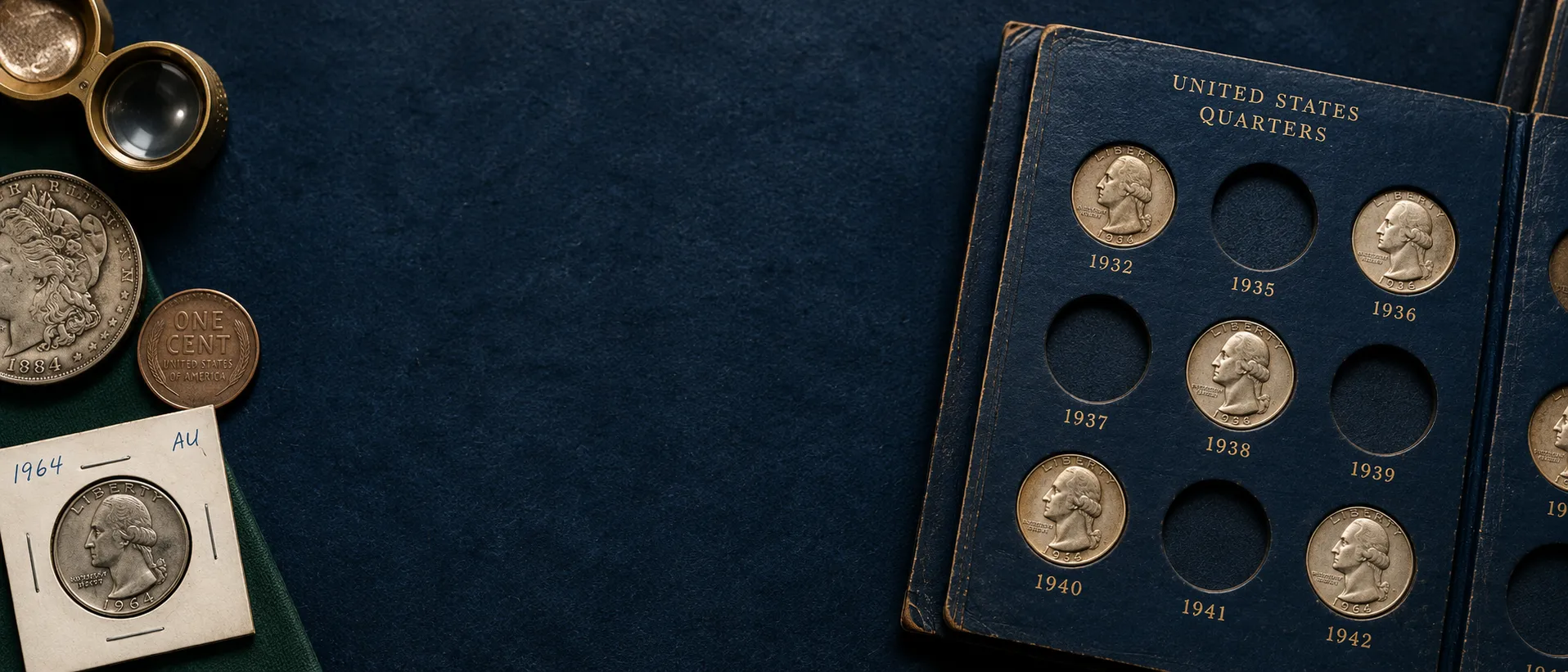
What is your coin worth?
Pick the coin and type its year. You'll see its value worn and uncirculated, what each mint mark is worth, and the rare versions to look for.
Silver today: $47.35 an ounce. A silver quarter from 1964 or earlier holds $8.56 of silver.
Melt calculatorMost looked-up coins
Sorting a jar of old coins
Most coins in a jar are worth face value, but a few minutes of sorting usually turns up something better. Start with dates, because the date tells you the metal.
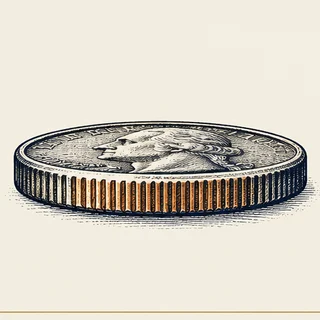
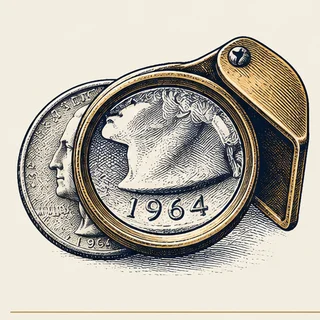 Pull every dime, quarter and half dollar dated 1964 or earlier. These are 90% silver and worth many times face. A quick edge check helps: silver coins have a solid silver edge, while 1965 and later coins show a copper stripe.
 Set aside Kennedy halves from 1965 to 1970. They're 40% silver and hold about 0.148 ounces each.
- Look at nickels from 1942 to 1945. A big mint letter (P, D or S) over the building on the back marks a wartime nickel with 35% silver.
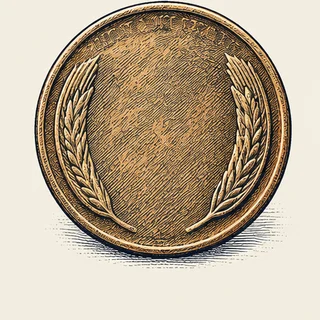 Check pennies dated 1958 and earlier for wheat ears on the back. Most wheat cents are worth a few cents, but the 1909-S VDB, 1914-D, 1922 plain and 1955 doubled die are worth hundreds or thousands.
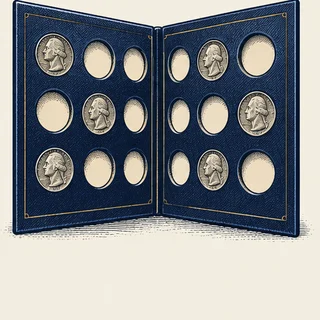 Look up anything left over. Pick the coin and year above, or open its series page.
Don't clean anything you set aside. Cleaning leaves fine scratches, and documented sales of cleaned scarce coins show discounts from about 30% to more than 60%. It doesn't add a cent to silver value either. The cleaning guide explains what graders see.
Browse by series
- Lincoln cents
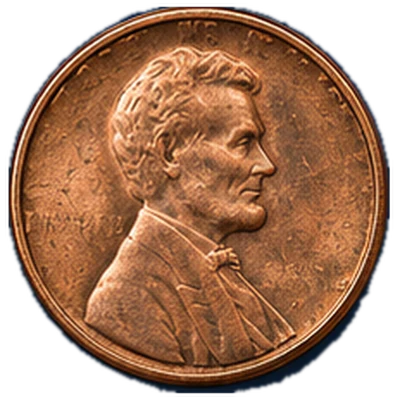 since 1909
- Buffalo nickels
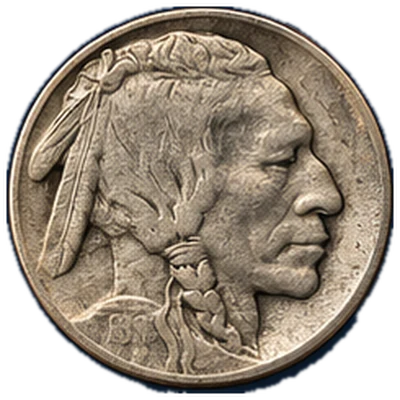 1913–1938
- Jefferson nickels
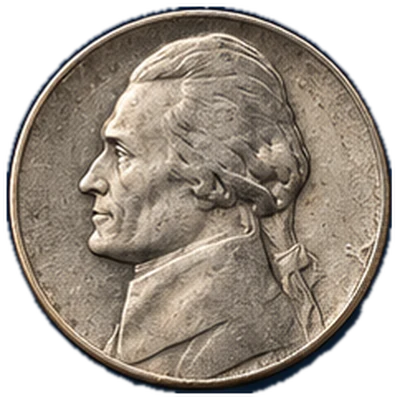 since 1938
- Mercury dimes
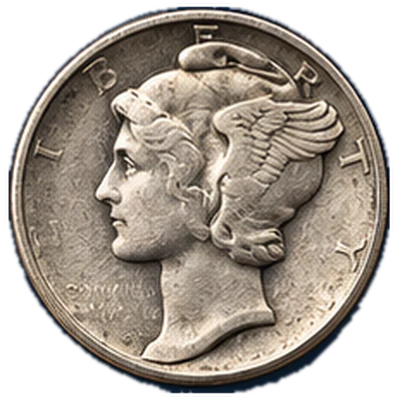 1916–1945
- Roosevelt dimes
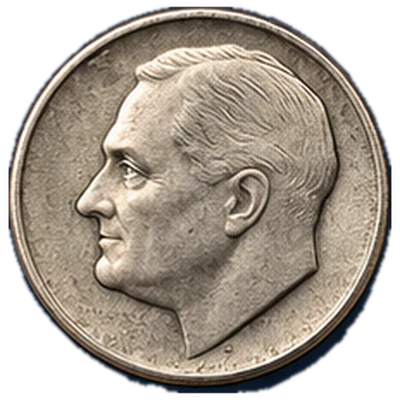 since 1946
- Washington quarters
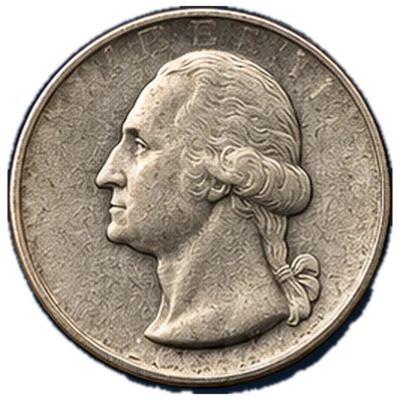 since 1932
- Walking Liberty half dollars
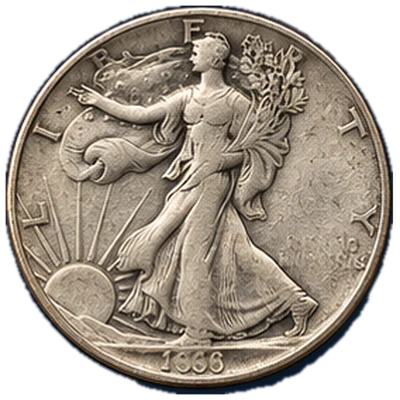 1916–1947
- Franklin half dollars
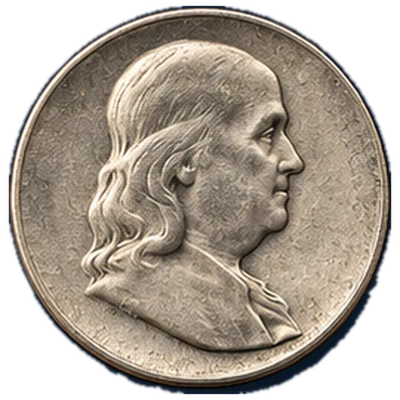 1948–1963
- Kennedy half dollars
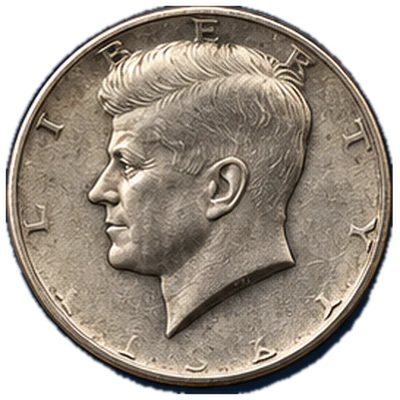 since 1964
- Morgan silver dollars
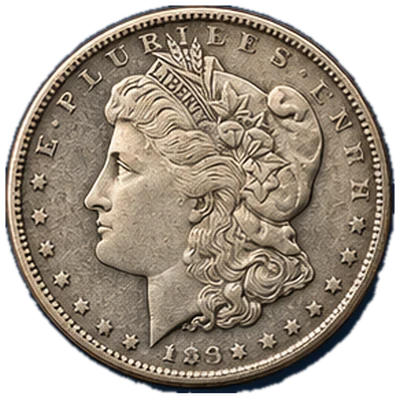 1878–1904, 1921
- Peace silver dollars
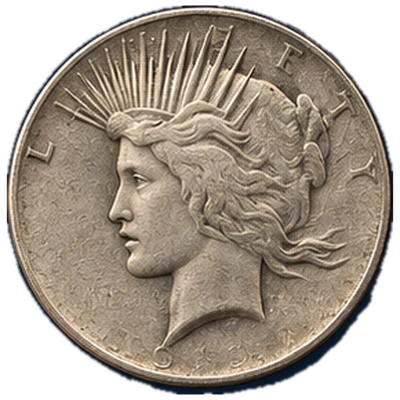 1921–1928, 1934–1935
- Eisenhower dollars
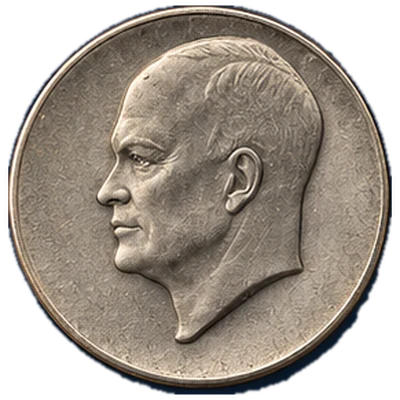 1971–1978 (no dollars are dated 1975)
- Susan B. Anthony dollars
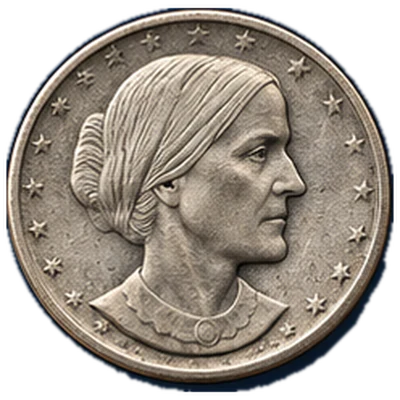 1979–1981, 1999
Guides
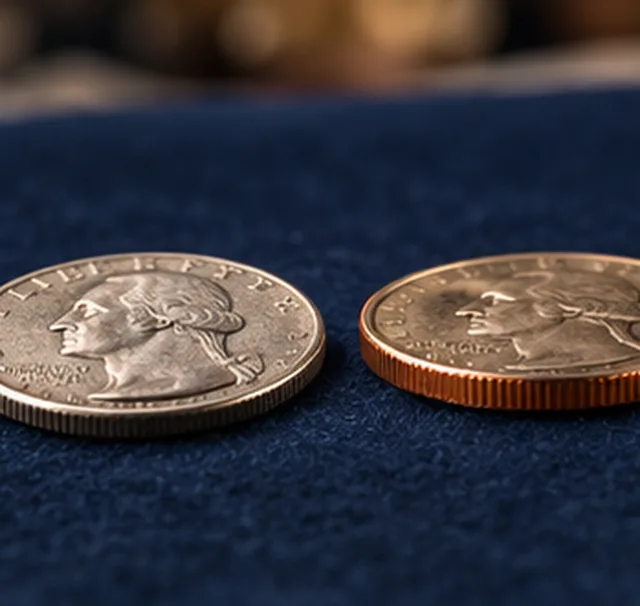 How to tell if a U.S. coin is silverCheck the date, look at the edge and weigh it in grams. How to spot 90% and 40% silver U.S. coins, war nickels and silver Ikes, and why magnets mislead.
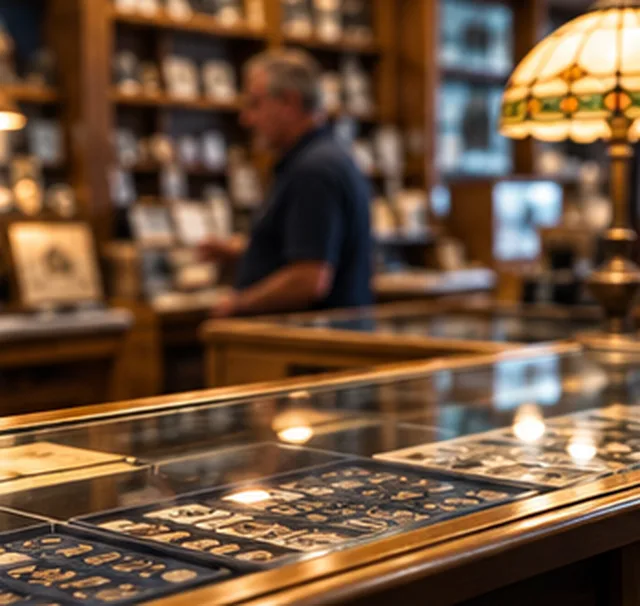 Where to sell old coins, and what each buyer takesCoin shops, pawn shops, coin shows, eBay and auction houses compared: what each one takes, current eBay fees, and how to get a fair offer for old coins.
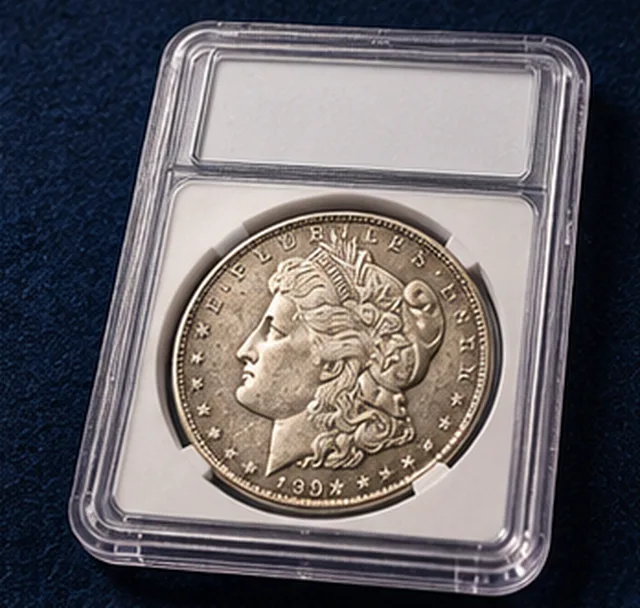 Coin grading explained: the 1 to 70 scale and when it paysThe 1-70 Sheldon scale and adjectival grades, what PCGS, NGC, ANACS and CAC do, current fees as of October 2026, and worked numbers on when grading pays.
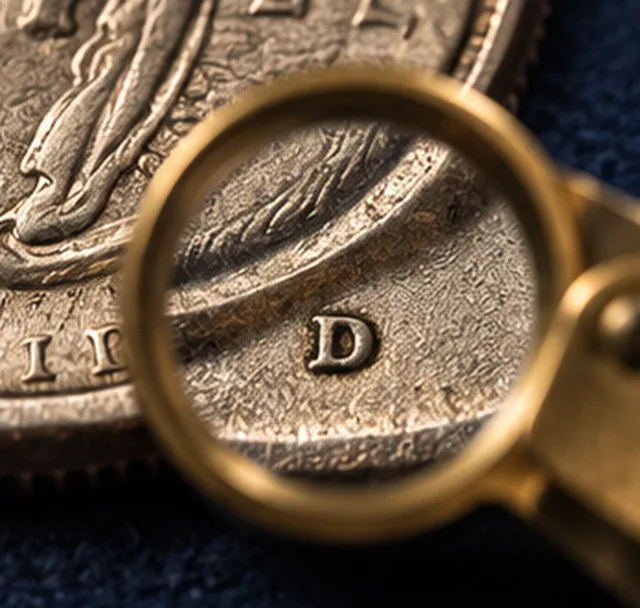 U.S. mint marks explainedWhat P, D, S, W, O, CC and C mean on U.S. coins, when each mint ran, where the letter sits on each series, and why one letter can multiply a coin's value.
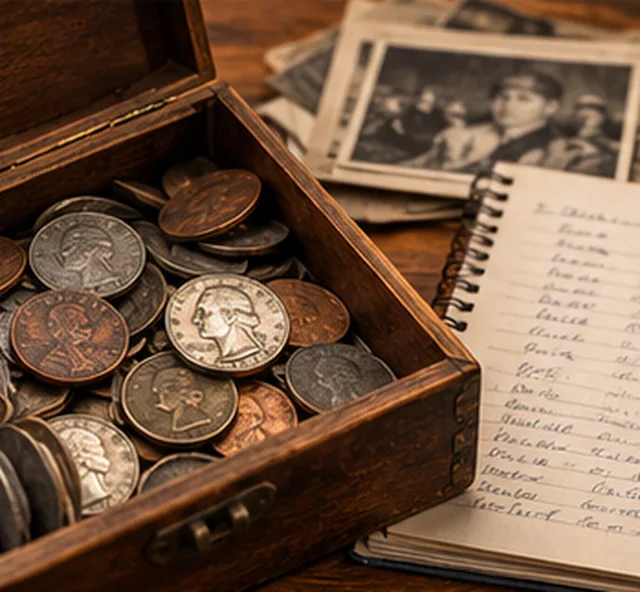 Inherited a coin collection: what to do firstStep-by-step plan for inherited coins: sort silver from clad, find key dates, inventory, appraisals vs offers, IRS basis and 28% rules, avoiding lowballs.
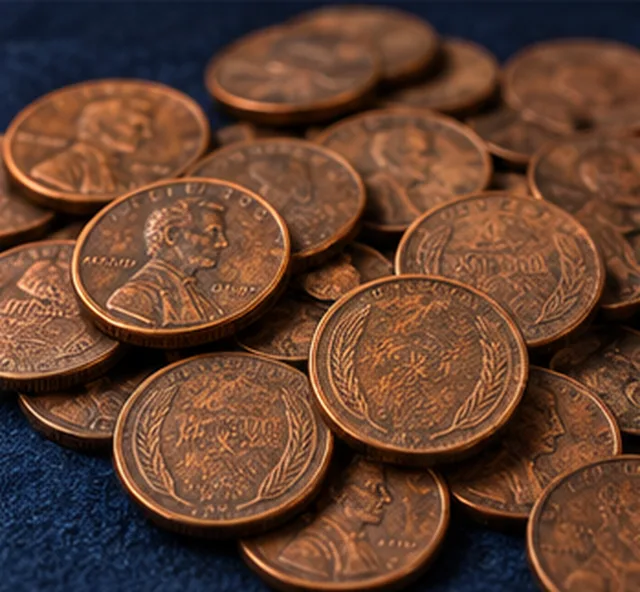 Valuable wheat pennies: the dates and varieties worth checkingWhich wheat pennies are worth money: 1909-S VDB, 1914-D, 1922 No D, 1931-S and the doubled dies, with mintages, values and a fast way to sort a jar.
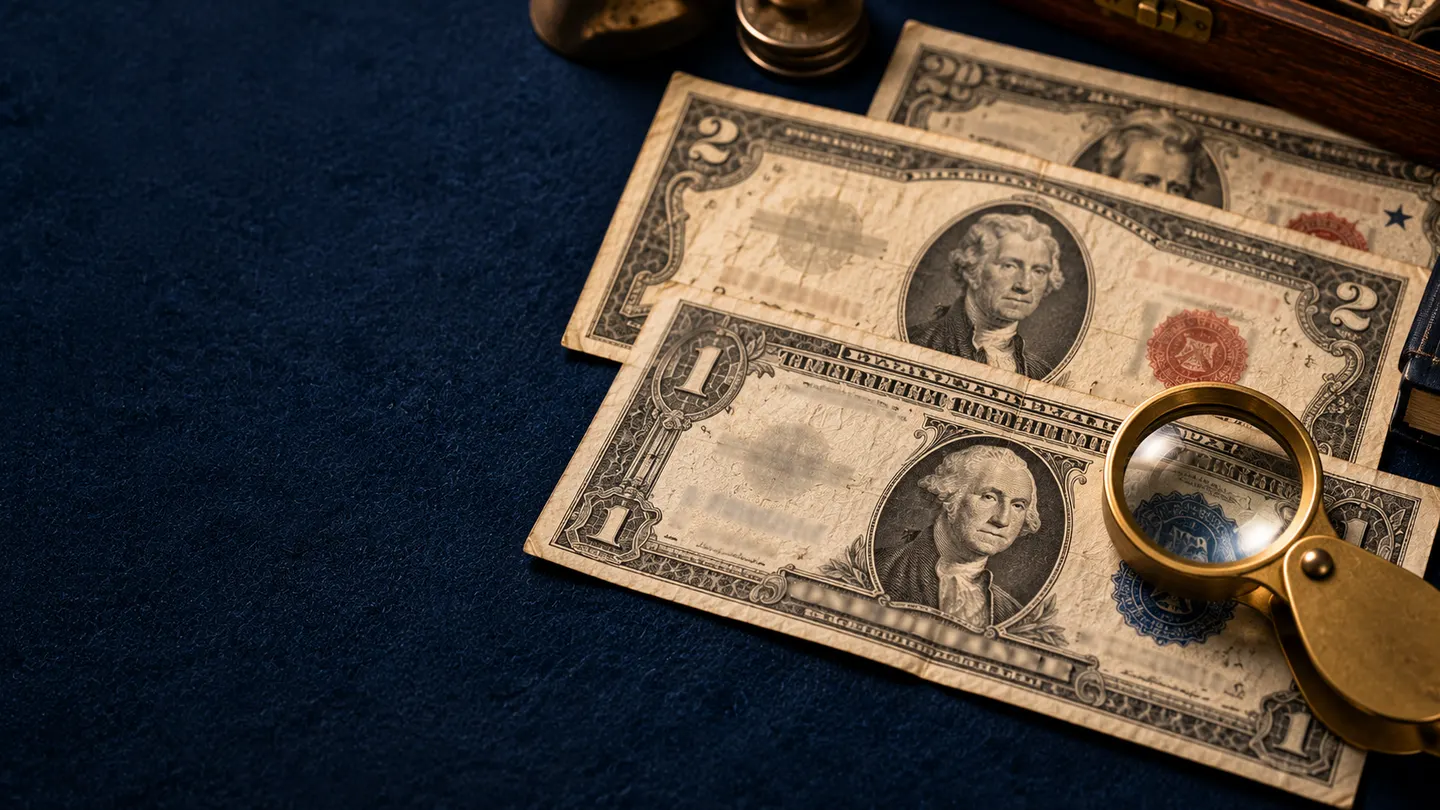
Paper money
Old bills can be worth more than face too. Look up $2 bills, silver certificates and star notes, or check a serial number with the fancy serial number checker.
What the values on this site mean
Every year page gives three prices. Worn covers coins that have been through everyday use. Uncirculated has no wear at all. Certified MS65 is a near-flawless coin graded by PCGS or NGC. Most coins people find are worn, so start with that column. Silver values follow the silver price and refresh when the page loads. Fixed ranges come from comparing several price guides and recent sales. How we set them.