CoinYearValue
The final wheat-ear year, and three doubled dies worth a fortune
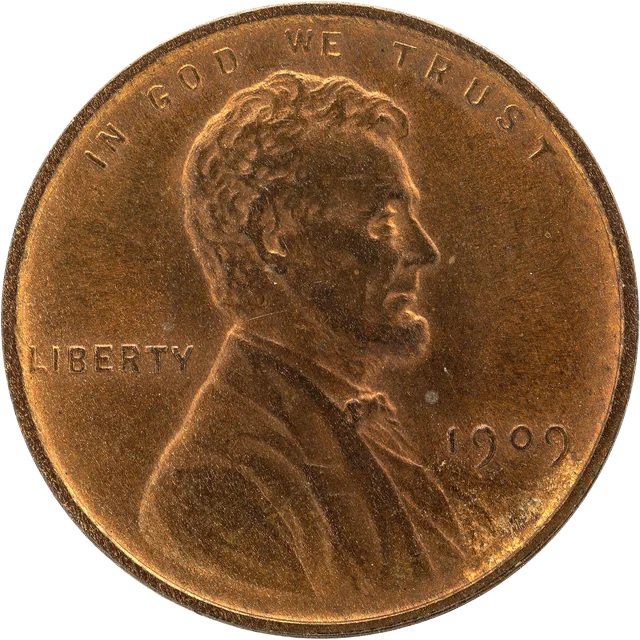
Only three 1958 doubled die cents are known, and PCGS has graded all of them. The story goes that Philadelphia collector Charles Ludovico found at least two in a $50 bag of 1958 cents around 1960. Coin World first reported the variety in January 1966, after the Mint confirmed it. Ken Potter has said Ludovico showed him a second example at the 1986 Errorama convention, and a third coin was later submitted to CONECA by W. Marira. The finest, the Stewart Blay coin graded MS65RD, sold for $1,136,250 at GreatCollections on January 22, 2023. An MS64RD from the ESM Collection brought $336,000 at Stack's Bowers in March 2018, and the third coin, also MS64RD and certified in 2006, has no public auction record.
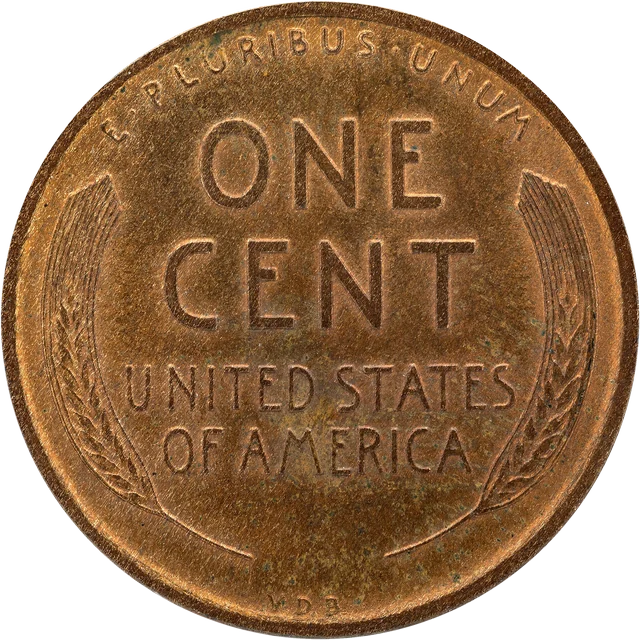
Everything else about 1958 is about the reverse. This was the last year of the wheat ears that had been on the cent since 1909, and with the Lincoln Memorial reverse due the following year, people set aside rolls of the final wheat cents. Denver struck 800,953,300, the 7th-highest wheat-cent mintage, and Philadelphia made 252,525,000.
Proof sales fell back after the 1957 record, to 875,652 sets, still the second-highest of the wheat-reverse years. CopperCoins catalogs 116 repunched D mint marks for the year but only 2 Philadelphia dies, and one of those two is the famous doubled die.
What to check on this one
- Before getting excited about doubling, look for the known die markers on the three genuine coins: a die spike off the second A in AMERICA, a weak top on the O in ONE and flat bottoms on PLU. On the front, look for micro-pitting on the portrait and vertical polishing lines.
- The doubling on the real coin is strongest on LIBERTY and IN GOD WE TRUST; doubling only on the date does not match it.
- Being the last wheat year does not add value by itself, since so many 1958 rolls were saved.
Sources: 1958 1C Doubled Die Obverse, RD, PCGS CoinFacts; 1958 Lincoln Cent Date Guide (CopperCoins); 1957 Proof Set (Proof Set Guide).