 CoinYearValue
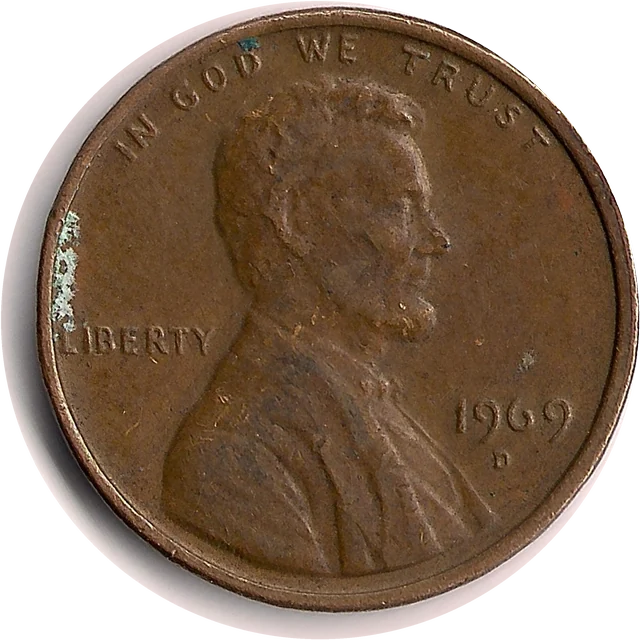
Dated 1964 but struck into 1966
Public Law 88-580, approved September 3, 1964, froze the 1964 date on all coins starting January 1, 1965. The idea was to discourage hoarding during a nationwide coin shortage, and the Mint kept stamping 1964 on cents well into 1966. A 1966 Mint report counted 3.37 billion 1964-dated cents made in calendar 1964 and another 2.87 billion in 1965. That is how the totals on this page got so large. Of Philadelphia's 2,451,945,000, 932,780,000 were struck in 1965, and Denver made more 1964-D cents in 1965 than in 1964.
San Francisco joined in. The old mint had been cut back to an assay office after 1955, and it began striking cents on September 1, 1965 with presses moved in for the job, turning out 196,630,000 by year's end. Mint Director Eva Adams had ordered mint marks off the coins, so these carry no letter and were long counted in with Philadelphia's figures.
Quality suffered. NGC describes 1964 cents from both main mints as rather poorly made, with worn, crudely polished dies and many weak strikes. Some Philadelphia coins look faintly prooflike because retired proof dies were put into service.
Proof sets hit a record 3,950,762, and they were the last Philadelphia proof sets; Adams halted proof production once 1964 orders were filled. A separate group of sharply struck specimen cents was made for the Smithsonian's National Numismatic Collection; NGC has certified 11, the finest at SP67RD.
What to check on this one
- There is no way to tell a San Francisco-struck 1964 cent from a Philadelphia one; neither has a mint mark.
- A no-mint-mark 1964 with slightly mirrored fields may be a business strike from a retired proof die put back to work, not a true proof.
- With a loupe, check STATES on the reverse for doubled letters; CopperCoins notes one Philadelphia doubled die reverse there with strong rotated doubling.
Sources: USA Coin Album: The US Mint Coins Dated 1964, Part 1 (NGC); USA Coin Album: The US Mint Coins Dated 1964, Part 2 (NGC); 1964 Lincoln Cent Date Guide (CopperCoins).
