CoinYearValue
Why some 1974 quarters were made in 1975
No quarter carries a 1975 date. In December 1974 Congress gave the Mint permission to keep striking 1974-dated quarters, half dollars and dollars until the dual-dated Bicentennial coins were ready. The Mint wanted to avoid a short 1975 run that people might hoard, the way they had been hoarding cents. A coin reading 1974 may therefore have come off the press months after New Year's 1975, and nothing on it tells you which.
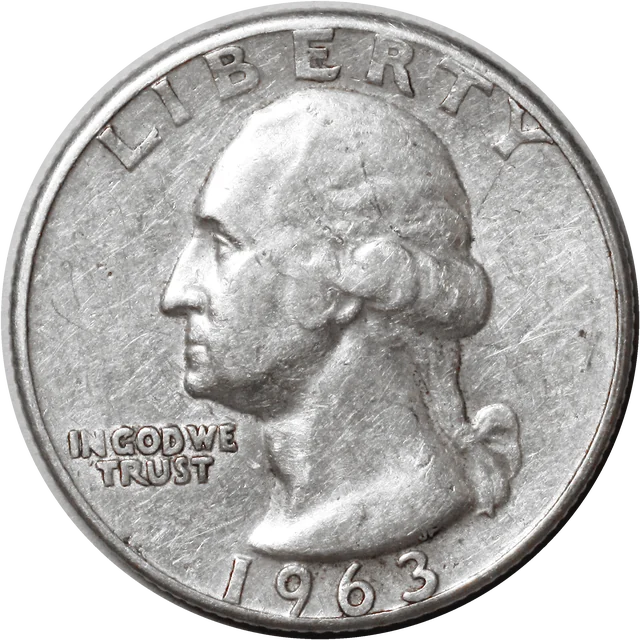
That stretched calendar helps explain Philadelphia's 801,456,000 total, more than double what it made in 1973. Denver added 353,160,300. The obverse also got a light touch-up during 1974, with some details sharpened.
While those coins were rolling out, the replacement design was being picked. Entries for the Bicentennial contest closed on January 9, 1974, and the Mint received 884 of them. Mint Director Mary Brooks announced the winners on the Today Show on March 6, 1974, with Jack L. Ahr's colonial drummer taking the quarter and a $5,000 prize. Prototype silver proofs without mint marks were struck at a ceremony on August 12, 1974.
PCGS CoinFacts says the huge mintage makes coins up to MS66 easy to locate, and it rates anything above MS67 very scarce to rare. The top Philadelphia sale is $2,115 for an MS67+ through Legend Rare Coin Auctions in August 2020, and the best Denver result is $1,450 for an MS67+ on eBay in November 2021.
What to check on this one
- Anyone selling a "1975 quarter" has an altered or fake coin. The date was never used.
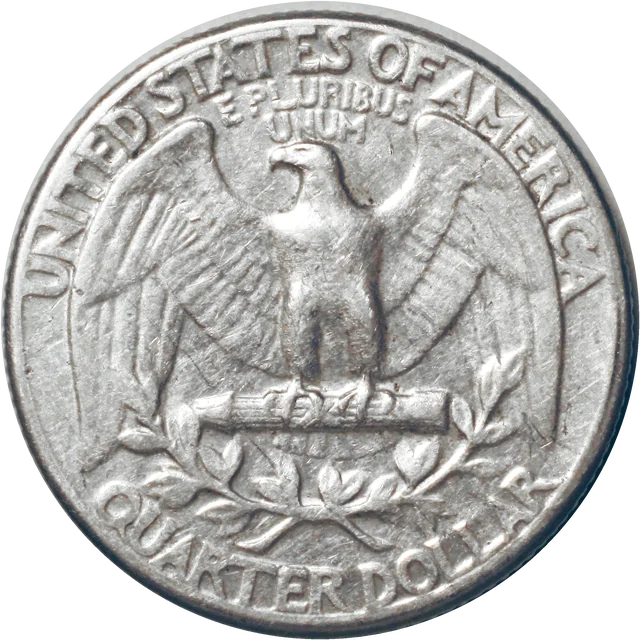
- The reverse should show the eagle. Drummer boy quarters are dated 1776–1976 even though many were struck in 1975.
- For a premium, the coin has to be MS67 or better; PCGS calls MS66 and lower easy to find for 1974.
Sources: Washington quarter - Wikipedia; 40 Years Since U.S. Bicentennial Coins First Hit Pocket Change - CoinWeek; 1974 25C (Regular Strike) - PCGS CoinFacts; 1974-D 25C (Regular Strike) - PCGS CoinFacts.