Certified MS65$9–12Near flawless, graded by PCGS or NGC
A worn 1988 penny is worth its face value, 1¢.
Uncirculated ones bring 5–10¢, and a certified MS65 brings $9–12, depending on the mint mark.
An ordinary one is worth one cent. Only a sharp uncirculated coin or a genuine mint error is worth more.
Advertisement
The 1988 cents that got a 1989 reverse
Philadelphia jumped from 4,682,466,931 cents in 1987 to 6,092,810,000 in 1988, and at some point in that run the Mint began using reverse dies meant for 1989. The result is the Reverse of 1989, which collectors also call the Flared G. Jeff Snow found the first one in upstate New York in the spring of 2007, according to the Lincoln Cent Resource, and Steven Bingham found the first from Denver. Both mints used the die, though Denver coins are harder to find. CoinValueChecker quotes about 89 certified Philadelphia examples and 47 from Denver.
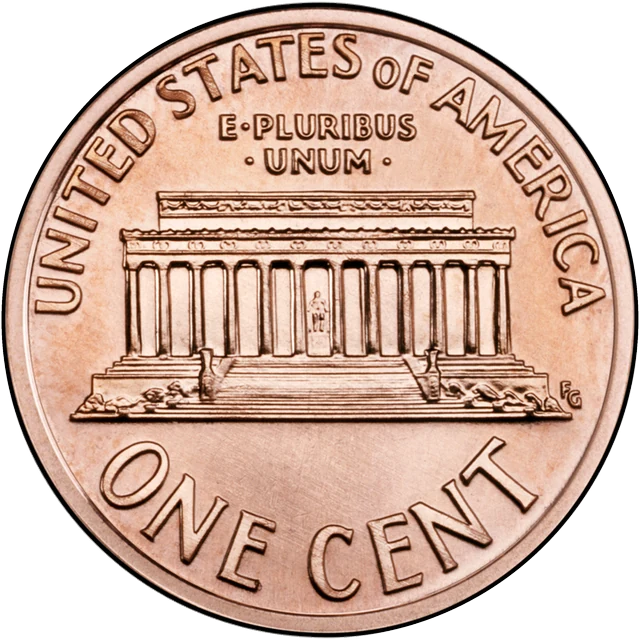
The tell is the designer's initials. On the 1989-style reverse the G of FG has serifs at the top and bottom of its right leg. The normal 1988 reverse has a plain, straight G. It shows under modest magnification, at the lower right of the Memorial.
Do not use AM spacing here. The Reverse of 1989 and the normal 1988 reverse are both Wide AM, so a gap between A and M proves nothing. Catalog charts list Wide AM as normal for every cent from 1959 to 1991.
Specialists track a second 1988 variety that the variety list leaves out, a doubled ear on Philadelphia cents, cataloged as FS-101. Its second earlobe sits just south of the main ear. CoinValueChecker notes that this differs from the 1984 doubled ear, which also affects the beard and bow tie. The only 1988 doubled ear certified MS66 Red sold for $3,120 at Heritage in April 2020.
What to check on this one
With a 5x loupe, look at the G of the FG initials at the lower right of the Memorial. Flared serifs mean the Reverse of 1989, a plain stroke means normal.
Check for an extra lobe hanging below Lincoln's ear, separated downward from the main one. This variety exists on Philadelphia coins only.
Do not rely on the gap in AMERICA to identify anything on a 1988.
What each 1988 penny is worth, by grade and mint mark
Grade
No mark
D
GoodGoodG4Heavily worn; date and letters still readable
1¢
1¢
FineFineF12Worn, but all the main lettering is clear
1¢
1¢
Very FineV. FineVF20Light to moderate wear on the high spots
1¢
1¢
Extremely FineEx. FineEF40Light wear on the highest spots only
1¢
1¢
About UncirculatedAbout Unc.AU50Traces of wear, some original shine
2¢
2¢
UncirculatedUnc.MS60No wear, but plenty of marks
5¢
5¢
Choice UncirculatedChoice Unc.MS63No wear and only a few marks
10¢
10¢
Gem UncirculatedGem Unc.MS65Certified and nearly flawless
$12
$9
Good through About Uncirculated are for coins as found, not in a grading holder. MS60 and MS63 are uncirculated coins; MS65 is a coin certified by PCGS or NGC. For cents, MS60 and MS63 values are for brown coins, and red ones bring more. MS65 values are for coins with full original red color; brown and red-brown ones sell for less. Values checked November 15, 2026 against public price guides and auction records. How values work.
What a 1988 penny looks like
FrontBack
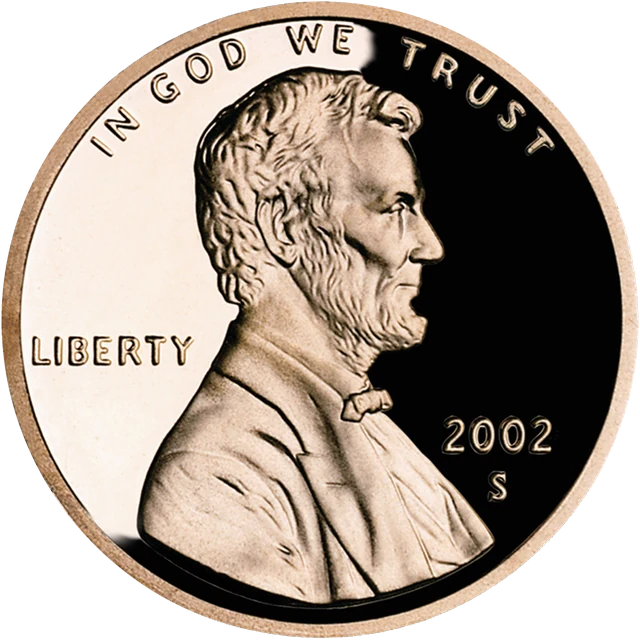
Shown: the front of a 2002-S proof cent and the back of a 2005-D cent. The design is the same, except that on cents made for circulation through 1992 the A and M of AMERICA stand farther apart. Photos: United States Mint, Public domain, via Wikimedia Commons (front, back).
Varieties and errors to check
No major varieties are listed for 1988 pennies. Minor errors and die varieties interest specialists, but for ordinary coins condition and mint mark set the value.
Find the mint mark
Front of the coin, just below the date. Philadelphia cents have no letter.
As an Amazon Associate I earn from qualifying purchases. As an eBay Partner Network affiliate, we may also earn a commission when you buy through links on this site, at no extra cost to you. Affiliate disclosure.
 CoinYearValue