Certified MS65$550Near flawless, graded by PCGS or NGC
Values for the 1913 penny with no mint mark. Other mint marks are in the table below.
A worn 1913 penny with no mint mark sells for about 65¢–$10.
Uncirculated, that coin brings $33–110, and a certified MS65 brings $550. In worn condition, the 1913-S is worth the most: about $8–45.
It's worth more than face value even when worn. Compare it with the table, and check the mint mark before selling.
Advertisement
Good strikes at Philadelphia, worn dies out west
CopperCoins calls 1913 a sleeper. Philadelphia cents often have firm, full strikes and sharp details, so nice brown coins are common, both raw and in grading holders. Full red is another matter: CoinValueChecker calls the Philadelphia coin a condition rarity in red, and uncirculated rolls have not been seen for decades, according to CopperCoins.
The branch mints are where trouble starts. Denver and San Francisco coins of 1913 are often weakly struck, made with worn-out dies, or both. Denver's 15,804,000 cents tend to be the better of the two, though they still show typical branch mint flaws. That total ranks tenth lowest for Denver among wheat cents, and in full red the coin is a prize: an MS67+ red sold for $56,120 on January 17, 2026. San Francisco made 6,101,000, under a tenth of Philadelphia's total, and that makes the 1913-S a semi-key; CopperCoins notes that a 1913-S above MS63 red from fresh dies is scarce.
Die varieties are few and minor, the best being a Philadelphia doubled die reverse. Rolls of Extremely Fine coins with a few About Uncirculated pieces mixed in have surfaced over the past couple of decades, though CopperCoins says they are drying up. Top prices come from color and condition instead. A 1913-S graded MS66 red set the record for that coin at $63,250 on January 5, 2006, while a worn Philadelphia coin is worth well under a dollar on this page.
What to check on this one
On a 1913-S, compare the sharpness of the wheat lines with the grade: many look as if struck through a clogged die, which CopperCoins says is simply how the issue comes.
For an uncirculated Philadelphia coin, check how much original red remains. Brown 1913 cents are common; full red ones are not.
Look at the back of a Philadelphia coin for extra-thick details near the upper rim, the sign of the year's doubled die reverse.
What each 1913 penny is worth, by grade and mint mark
Grade
No mark
D
S
GoodGoodG4Heavily worn; date and letters still readable
65¢
$2.50
$8
FineFineF12Worn, but all the main lettering is clear
$2
$6
$20
Very FineV. FineVF20Light to moderate wear on the high spots
$10
$16
$45
Extremely FineEx. FineEF40Light wear on the highest spots only
$17
$45
$61
About UncirculatedAbout Unc.AU50Traces of wear, some original shine
$23
$97
$115
UncirculatedUnc.MS60No wear, but plenty of marks
$33
$110
$180
Choice UncirculatedChoice Unc.MS63No wear and only a few marks
$110
$260
$345
Gem UncirculatedGem Unc.MS65Certified and nearly flawless
$550
$1,600
$3,900
Good through About Uncirculated are for coins as found, not in a grading holder. MS60 and MS63 are uncirculated coins; MS65 is a coin certified by PCGS or NGC. For cents, MS60 and MS63 values are for brown coins, and red ones bring more. MS65 values are for coins with full original red color; brown and red-brown ones sell for less. Values checked November 16, 2026 against public price guides and auction records. How values work.
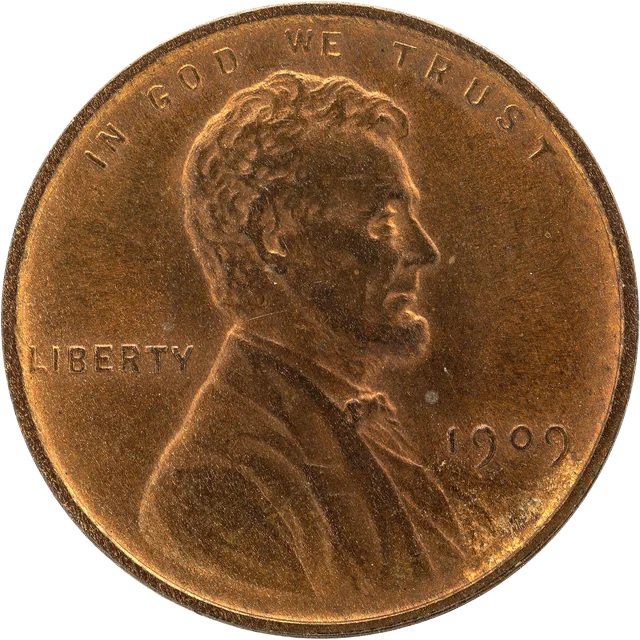
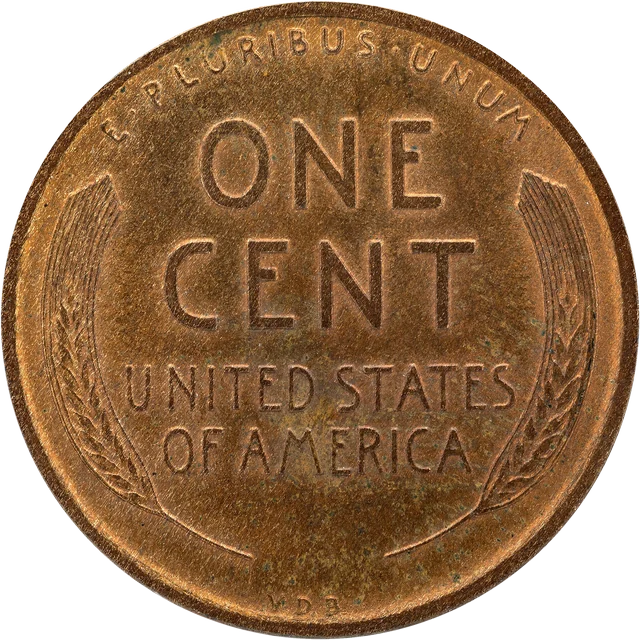
What a 1913 penny looks like
FrontBack
Shown: a 1909 VDB Lincoln wheat cent. Photos: National Numismatic Collection, National Museum of American History (photo by Jaclyn Nash), Public domain, via Wikimedia Commons.
Varieties and errors to check
No major varieties are listed for 1913 pennies. Minor errors and die varieties interest specialists, but for ordinary coins condition and mint mark set the value.
Find the mint mark
Front of the coin, just below the date. Philadelphia cents have no letter, and neither do the 1964 cents struck in San Francisco or the cents struck at West Point from 1974.
What it's made of
Bronze (95% copper, 5% tin and zinc), 3.11 grams, about 4¢ of copper
Melting cents and nickels is not allowed under U.S. Mint rules, so copper and nickel value is a guide only.
Mintage
How many were made
Coin
Type
Mintage
1913-D
For circulation
15,804,000
1913 (no mint mark)
For circulation
76,532,352
1913-S
For circulation
6,101,000
1913 (no mint mark)
Proof (collector)
2,848
Questions
Is a 1913 penny silver?
No. 1913 pennies are made of bronze (95% copper, 5% tin and zinc).
Which 1913 penny is worth the most?
In MS65, the 1913-S is worth the most, about $3,900.
Where is the mint mark on a 1913 penny?
Front of the coin, just below the date. Philadelphia cents have no letter, and neither do the 1964 cents struck in San Francisco or the cents struck at West Point from 1974.
As an Amazon Associate I earn from qualifying purchases. As an eBay Partner Network affiliate, we may also earn a commission when you buy through links on this site, at no extra cost to you. Affiliate disclosure.
 CoinYearValue