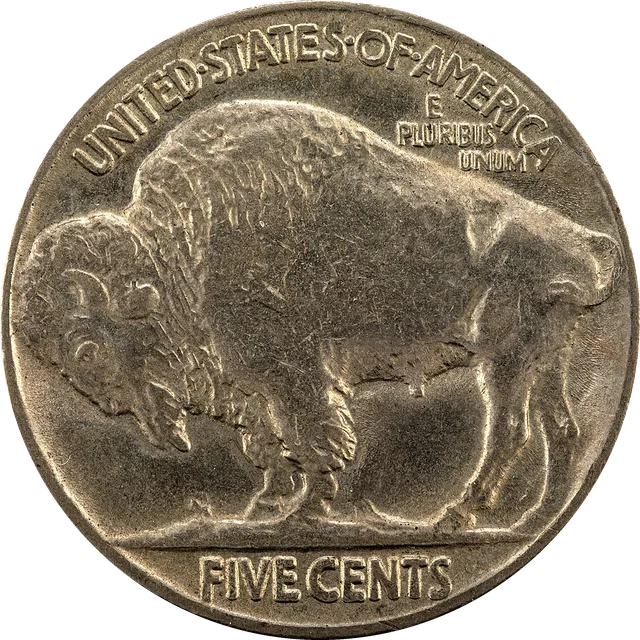
CoinYearValue
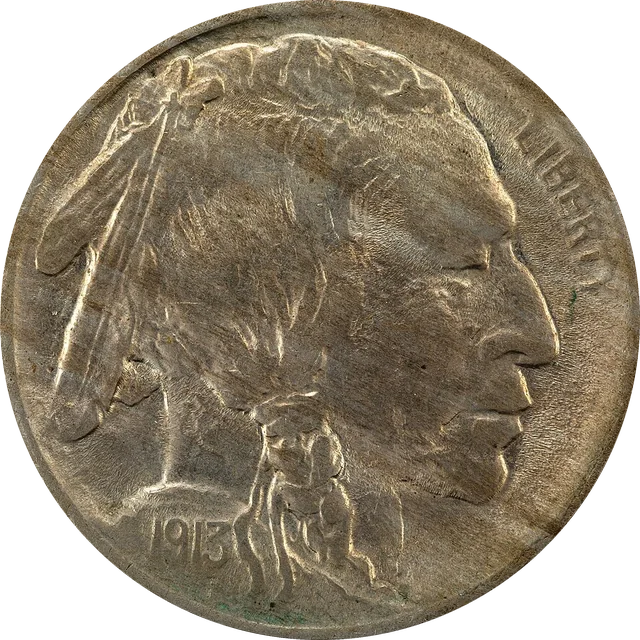
The 1918/7-D overdate, and three regular coins that are hard in gem
The famous coin of 1918 is the 1918/7-D overdate, which shows part of a 7 beneath the final 8. A working die already hubbed with a 1917 date took a second impression from a 1918 hub, and that one die went to Denver. The mixed date was in the die itself, so no finished 1917 coins were re-dated. Even heavily worn examples with a clear underdigit can bring several thousand dollars, and an MS65+ set the record at $511,875 through GreatCollections in February 2024.
Among the regular coins, the 1918-S is the scarcest at every grade. Its 4,882,000 pieces were almost uniformly weakly struck, which limited how many survived in high grades: only a few dozen are known in MS65, and an MS66 holds the record at $125,350.
The 1918-D, with 8,362,314 struck, is respected for its scarcity in higher grades. Many came out with weak strikes and soft high points, so a full, crisp strike adds real value. Only about three are known in MS67; one of them brought $31,200 at Heritage in July 2021. A repunched D, catalogued as RPM-001, also exists.
Philadelphia's 32,086,314 coins are not especially scarce in worn grades, but in gem condition the 1918 is the rarest regular Philadelphia Buffalo nickel. Well-preserved examples tend to have clean strikes and good luster, and the record is $55,200 for an MS67+.
What to check on this one
- For a 1918/7-D, look for the horizontal bar and diagonal stem of a 7 inside the last digit under 10x magnification; the D below FIVE CENTS should lean left, as it does on genuine examples.
- Have any suspected overdate authenticated before selling it; die wear and strike doubling are often mistaken for the underlying 7.
- If metal is peeling from the surface, photograph it before handling the coin further, and don't bend the flap to see how far it runs.
Sources: 1918 nickel value (CoinValueChecker); 1917 nickel value (CoinValueChecker).