CoinYearValue
The year coin folders took off, and three 1928 dimes with very different strikes
Private publishers began issuing coin albums, mostly in folder form, in 1928. They were widely used to collect Mercury dimes and sparked a great increase in collecting current coins by date and mint mark.
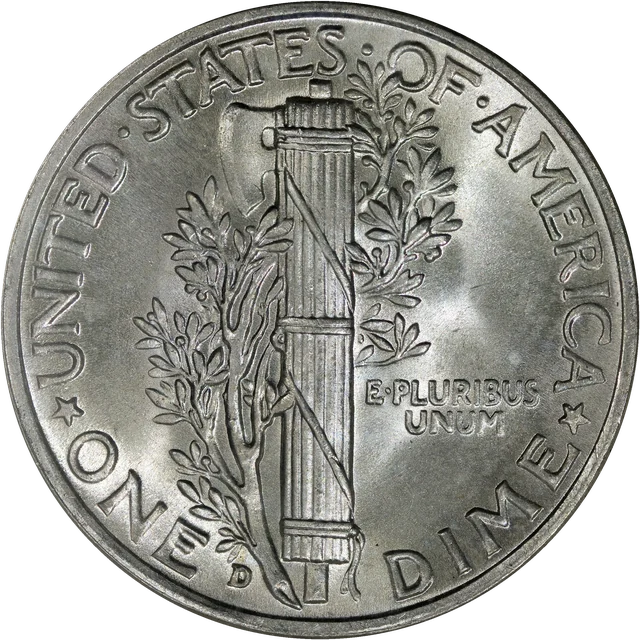
Denver struck 4,161,000, the lowest of the three, and the 1928-D is easy enough to find worn but genuinely tough uncirculated, as is typical for branch-mint Mercury dimes before 1934. Denver used lower striking pressure, and a coin that left the press without a full, sharp strike can never earn a high grade later. Full Bands examples exist but thin out quickly at the top.
San Francisco's 7,400,000 dimes are everywhere in circulated grades and easy to find in lower Mint State. The trouble starts with sharp coins: San Francisco often left the central reverse details soft, so the weak bands on many 1928-S dimes come from the strike, not wear. PCGS and NGC together have certified just eleven at MS67 Full Bands.
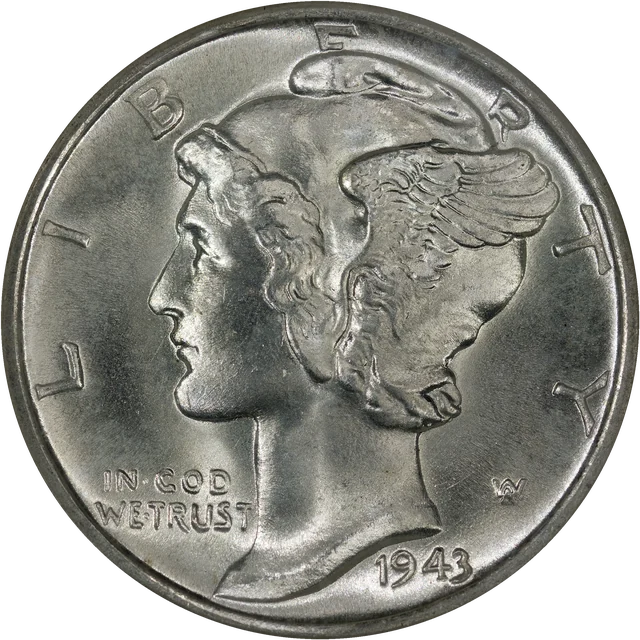
Philadelphia's 19,480,000 coins are generally better struck than the branch-mint pieces, and certified Full Bands examples exist in decent numbers, though MS67 FB coins are genuinely scarce. A well-preserved example with original toning once sold for $1,725 at a David Lawrence Rare Coins auction. There is no headline variety for 1928, but clipped planchets, die cracks, off-center strikes and doubled dies all turn up.
What to check on this one
- On a 1928-S, look at the central bands under magnification; soft bands from the strike mean the coin will not get Full Bands no matter how well it was stored.
- On a clipped 1928 dime, check the rim opposite the clip for weakness; that Blakesley effect is a sign of a genuine clip.
- Compare mint marks before pricing a Mint State coin; in MS63, a 1928-D or 1928-S is worth several times a Philadelphia coin.
Sources: Mercury dime (Wikipedia); 1928 Mercury dime value (CoinValueChecker).