CoinYearValue

Home / Buffalo nickels

1936 Nickel Value

  • Worn$1.50–2.50Normal wear from circulation
  • Uncirculated$25–49No wear, MS60 to MS63
  • Certified MS65$110Near flawless, graded by PCGS or NGC

Values for the 1936 nickel with no mint mark. Other mint marks are in the table below.

A worn 1936 nickel with no mint mark sells for about $1.50–2.50.

Uncirculated, that coin brings $25–49, and a certified MS65 brings $110. In worn condition, the 1936-D is worth the most: about $1.50–3.50.

It's worth more than face value even when worn. Compare it with the table, and check the mint mark and the varieties below before selling.

Advertisement

The biggest Buffalo nickel run, and the year proof nickels came back

No Buffalo nickel issue was made in larger numbers than the 1936 Philadelphia coin, at nearly 119 million pieces. Denver added 24,814,000 and San Francisco 14,930,000, and the Denver coins usually came out fairly sharp. With that many made, worn examples of all three mints are some of the easiest Buffalo nickels to find. Philadelphia coins of this year usually show strong strikes, though top gems are harder to come by, and the Philadelphia record is $18,000 for an MS68 sold at Heritage in 2025.

It is also the year proofs returned. The Mint had stopped selling proof coins about 20 years earlier, and it restarted with a satin finish that resembled the old matte proofs. Buyers did not care for it, so partway through the year the Mint switched to the mirror-like brilliant finish. The two kinds together came to just 4,420 coins. A brilliant proof graded PR68 sold for $40,250 at Heritage in March 2007, the highest price yet paid for any 1936 nickel. Among coins made for circulation, a 1936-D graded MS68 is close behind at $37,375.

Denver produced the year's variety. One reverse die was polished so heavily that the middle of the bison's right foreleg faded away, and the coins it struck are known as the 1936-D 3½ legs. It is a different and much less famous coin than the 1937-D three-legged nickel, though it is faked the same way, by grinding part of a leg off an ordinary 1936-D.

What to check on this one

  • On a 1936-D, check the bison's right foreleg with a 10x loupe: a weak or missing middle section on a sharp coin suggests the 3½ legs variety, while scratches or a scooped surface there mean someone removed it.
  • A 1936 nickel with no mint mark and mirror-like fields may be a brilliant proof, and one with a soft, even satin glow could be a satin proof; both are worth having checked.

Sources: 1936 nickel value (CoinValueChecker); Buffalo nickel (Wikipedia).
Advertisement

Value by grade and mint mark

What each 1936 nickel is worth, by grade and mint mark
GradeNo markDS
GoodGood G4Heavily worn; date and letters still readable$1.50$1.50$1
FineFine F12Worn, but all the main lettering is clear$2$2$2
Very FineV. Fine VF20Light to moderate wear on the high spots$2.50$3.50$3
Extremely FineEx. Fine EF40Light wear on the highest spots only$3$6$4
About UncirculatedAbout Unc. AU50Traces of wear, some original shine$9$14$11
UncirculatedUnc. MS60No wear, but plenty of marks$25$33$32
Choice UncirculatedChoice Unc. MS63No wear and only a few marks$49$56$55
Gem UncirculatedGem Unc. MS65Certified and nearly flawless$110$115$125

Good through About Uncirculated are for coins as found, not in a grading holder. MS60 and MS63 are uncirculated coins; MS65 is a coin certified by PCGS or NGC. Values checked November 15, 2026 against public price guides and auction records. How values work.

What a 1936 nickel looks like

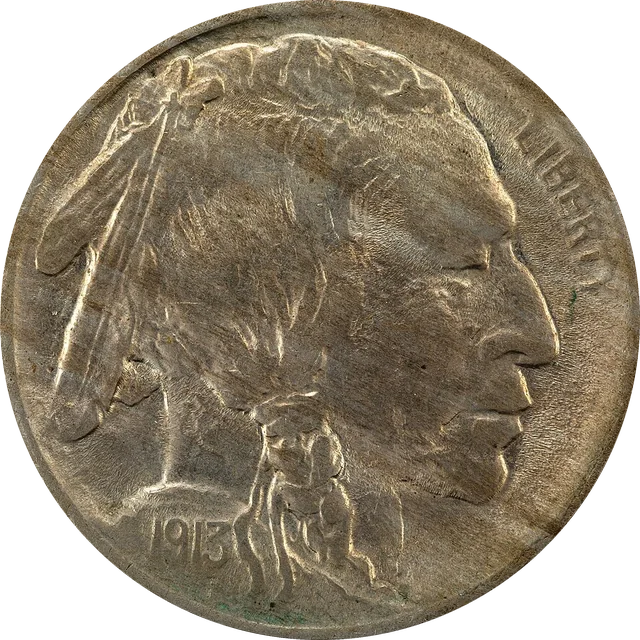
Front of a 1913 Buffalo nickel: a Native American's head facing right, with LIBERTY and the date
Front
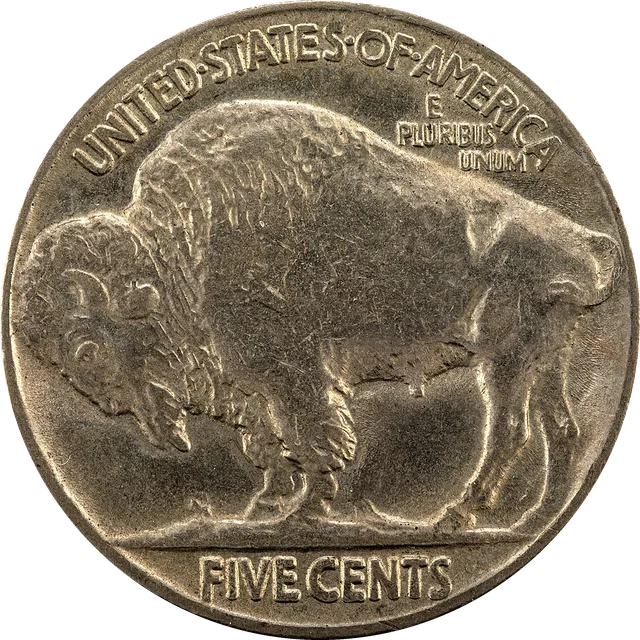
Back of a 1913 Type 2 Buffalo nickel: a bison standing on flat ground, with FIVE CENTS in a recess below
Back

Shown: a 1913 Buffalo nickel (front from a Type 1 coin, back from a Type 2 coin), the same design used through 1938. Photos: National Numismatic Collection, National Museum of American History (photo by Jaclyn Nash), Public domain, via Wikimedia Commons (front, back).

Varieties and errors to check

  • 1936-D 3½ legs Buffalo nickel (FS-901)

    Look for: Confirm the 1936 date and the D below FIVE CENTS, then look at the bison's right foreleg with a 10x loupe: the middle of the leg is partly missing or much weaker than on a normal coin. Fakers grind the leg off ordinary 1936-D nickels, so scratches or a scooped surface there are a warning; buy certified.

    A Denver reverse die was polished so heavily that part of the recessed leg detail was removed. It is a different, rarer variety from the 1937-D three-legged nickel, and 1937 prices do not apply to it.

    Typical value: $450–2,000 (Good to Very Fine)

    Sources: CoinValueChecker, PriceCharting

Find the mint mark

Back of the coin, below the words FIVE CENTS, under the bison. Philadelphia coins have no letter.

What it's made of

  • 75% copper, 25% nickel, 5.0 grams

Melting cents and nickels is not allowed under U.S. Mint rules, so copper and nickel value is a guide only.

Mintage

How many were made
CoinTypeMintage
1936-DFor circulation24,814,000
1936 (no mint mark)For circulation118,997,000
1936-SFor circulation14,930,000
1936 (no mint mark)Proof (collector)4,420

Questions

Is a 1936 nickel silver?

No. 1936 nickels are made of 75% copper, 25% nickel.

Which 1936 nickel is worth the most?

In MS65, the 1936-S is worth the most, about $125. The 1936-D 3½ legs Buffalo nickel (FS-901) is the one to look for: typical examples sell for $450–2,000.

Where is the mint mark on a 1936 nickel?

Back of the coin, below the words FIVE CENTS, under the bison. Philadelphia coins have no letter.

Check real sales

Recent sold listings show what coins in your condition actually bring: see sold 1936 nickels on eBay.

Keep it safe: coin holders and a 10x loupe for checking details and mint marks.

As an Amazon Associate I earn from qualifying purchases. As an eBay Partner Network affiliate, we may also earn a commission when you buy through links on this site, at no extra cost to you. Affiliate disclosure.