Certified MS65$79Near flawless, graded by PCGS or NGC
Values for the 1937 nickel with no mint mark. Other mint marks are in the table below.
A worn 1937 nickel with no mint mark sells for about $1.50–2.50.
Uncirculated, that coin brings $25–43, and a certified MS65 brings $79. Other mint marks are worth a little more or less; see the table.
It's worth more than face value even when worn. Compare it with the table, and check the mint mark and the varieties below before selling.
Advertisement
The last year all three mints struck Buffalo nickels
After 1937 the Buffalo design was made at Denver alone, so this is the final date with Philadelphia, Denver and San Francisco coins side by side. The three mints together produced nearly 103 million nickels. Philadelphia's 79,480,000 business strikes make that coin the common one, while San Francisco's 5,635,000 were the smallest share. Even so, Denver and San Francisco pieces are the scarce ones in top Mint State grades, and the S is the hardest of the three to find that way.
Philadelphia also struck 5,769 proofs, more than in any other year of the series, and most of them survive in PR65 or better. Coins with cameo contrast, frosted designs against mirror fields, came only from the first strikes off fresh dies, so they are a small share of that number.
The date is known everywhere for a single Denver die. According to Walter Breen, a pressman named Young used a polishing tool to clear clash marks from a reverse die and took away most of the bison's front leg along with them. The die kept striking until inspectors caught it, and by then thousands of three-legged nickels had gone out mixed with normal coins. Roughly 20,000 are thought to survive, few of them uncirculated. Because those are valuable, regular 1937-D nickels with a leg ground off are a common fake.
What to check on this one
On a 1937-D missing a leg, look at E PLURIBUS UNUM: on genuine three-legged coins the letters stand a little away from the bison's back, while on normal coins they touch or nearly touch it.
Check for a raised, curving trail of die damage below the bison's belly; every coin from the genuine die shows it, and an altered coin will not.
A 1937 nickel with mirror fields and no mint mark may be one of the 5,769 proofs.
What each 1937 nickel is worth, by grade and mint mark
Grade
No mark
D
S
GoodGoodG4Heavily worn; date and letters still readable
$1.50
$1
$1
FineFineF12Worn, but all the main lettering is clear
$2
$1.50
$1.50
Very FineV. FineVF20Light to moderate wear on the high spots
$2.50
$2.50
$2.50
Extremely FineEx. FineEF40Light wear on the highest spots only
$3
$3.50
$4
About UncirculatedAbout Unc.AU50Traces of wear, some original shine
$9
$9
$10
UncirculatedUnc.MS60No wear, but plenty of marks
$25
$27
$26
Choice UncirculatedChoice Unc.MS63No wear and only a few marks
$43
$48
$42
Gem UncirculatedGem Unc.MS65Certified and nearly flawless
$79
$93
$87
Good through About Uncirculated are for coins as found, not in a grading holder. MS60 and MS63 are uncirculated coins; MS65 is a coin certified by PCGS or NGC. Values checked November 15, 2026 against public price guides and auction records. How values work.
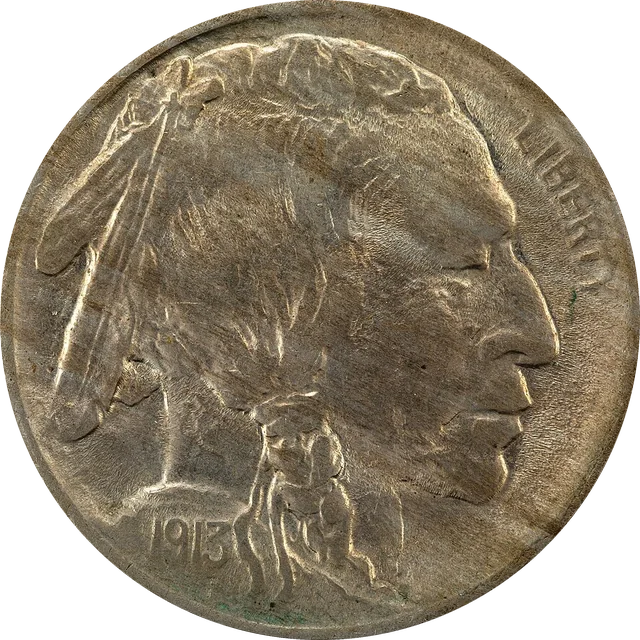
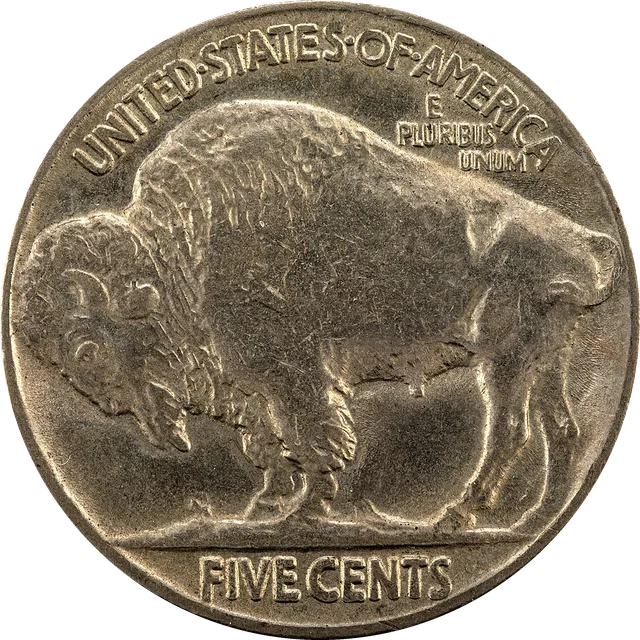
What a 1937 nickel looks like
FrontBack
Shown: a 1913 Buffalo nickel (front from a Type 1 coin, back from a Type 2 coin), the same design used through 1938. Photos: National Numismatic Collection, National Museum of American History (photo by Jaclyn Nash), Public domain, via Wikimedia Commons (front, back).
Varieties and errors to check
1937-D three-legged Buffalo nickel (FS-901)
Look for: On the back, the bison's front right leg is missing; only the hoof remains. Genuine coins also show raised dots or an arc-shaped mark under the belly (die rust) and a rough, pitted rear leg, and the D mint mark sits below FIVE CENTS. Fakes made by grinding the leg off a normal 1937-D show tool or file marks where the leg should be, so buy certified.
A Denver press operator polished a clashed reverse die to remove the clash marks and ground away the bison's front leg. Every known example comes from that one die.
Back of the coin, below the words FIVE CENTS, under the bison. Philadelphia coins have no letter.
What it's made of
75% copper, 25% nickel, 5.0 grams
Melting cents and nickels is not allowed under U.S. Mint rules, so copper and nickel value is a guide only.
Mintage
How many were made
Coin
Type
Mintage
1937-D
For circulation
17,826,000
1937 (no mint mark)
For circulation
79,480,000
1937-S
For circulation
5,635,000
1937 (no mint mark)
Proof (collector)
5,769
Questions
Is a 1937 nickel silver?
No. 1937 nickels are made of 75% copper, 25% nickel.
Which 1937 nickel is worth the most?
In MS65, the 1937-D is worth the most, about $93. The 1937-D three-legged Buffalo nickel (FS-901) is the one to look for: typical examples sell for $500–5,800.
Where is the mint mark on a 1937 nickel?
Back of the coin, below the words FIVE CENTS, under the bison. Philadelphia coins have no letter.
As an Amazon Associate I earn from qualifying purchases. As an eBay Partner Network affiliate, we may also earn a commission when you buy through links on this site, at no extra cost to you. Affiliate disclosure.
 CoinYearValue