Certified MS65$27Near flawless, graded by PCGS or NGC
Values for the 1943 penny with no mint mark. Other mint marks are in the table below.
A worn 1943 penny with no mint mark sells for about 15–35¢.
Uncirculated, that coin brings $2, and a certified MS65 brings $27. In worn condition, the 1943-S is worth the most: about 35–70¢.
It's worth more than face value even when worn. Compare it with the table, and check the mint mark and the varieties below before selling.
Advertisement
Why 1943 cents are steel, and why the public hated them
Congress approved a new one-cent coin in December 1942 so the Mint could stop using copper, which the war needed for ammunition. The answer was steel with a zinc coating. According to the Federal Reserve Bank of Atlanta, the switch saved enough copper for about 1.25 million shells for the big field guns. All three mints struck the steel coins, which weigh about 13% less than bronze cents, and they remain the only regular-issue U.S. coin a magnet will pick up.
People disliked them almost at once. Bright new steel cents were easy to mistake for dimes, especially for anyone with poor eyesight. Vending machines that used magnets to reject steel slugs grabbed them too. Blank punching also cut through the zinc at the edge, leaving bare steel that rusted quickly in a damp pocket. The Mint gave up steel after one year, later collected large numbers of 1943 cents and destroyed them, although plenty kept circulating into the 1960s.
Many bright 1943 cents seen today are not original. Dealers stripped and re-plated corroded coins to make them shine, and these reprocessed pieces have little or no collector value. A handful of 1943 cents were accidentally struck on bronze blanks left in the presses during the changeover. CoinWeek reports only one known from Denver, with the rest split between Philadelphia and San Francisco.
What to check on this one
Weigh it: a genuine steel cent is about 2.7 grams, while a real bronze 1943 weighs about 3.11 grams.
A copper-colored 1943 that sticks to a magnet is a plated steel cent, sold as a novelty.
If it does not stick, examine the 3 closely; altered 1945, 1948 and 1949 cents are the usual source of fake bronze 1943s, and the 3 on a real one matches the 3 on a steel cent exactly.
A mirror-bright, perfectly silver steel cent with mushy detail is likely reprocessed rather than original.
What each 1943 penny is worth, by grade and mint mark
Grade
No mark
D
S
GoodGoodG4Heavily worn; date and letters still readable
15¢
15¢
35¢
FineFineF12Worn, but all the main lettering is clear
30¢
40¢
55¢
Very FineV. FineVF20Light to moderate wear on the high spots
35¢
55¢
70¢
Extremely FineEx. FineEF40Light wear on the highest spots only
45¢
70¢
90¢
About UncirculatedAbout Unc.AU50Traces of wear, some original shine
95¢
$1.50
$2
UncirculatedUnc.MS60No wear, but plenty of marks
$2
$3.50
$6
Choice UncirculatedChoice Unc.MS63No wear and only a few marks
$2
$3.50
$6
Gem UncirculatedGem Unc.MS65Certified and nearly flawless
$27
$27
$36
Good through About Uncirculated are for coins as found, not in a grading holder. MS60 and MS63 are uncirculated coins; MS65 is a coin certified by PCGS or NGC. For cents, MS60 and MS63 values are for brown coins, and red ones bring more. MS65 values are for coins with full original red color; brown and red-brown ones sell for less. Values checked November 15, 2026 against public price guides and auction records. How values work.
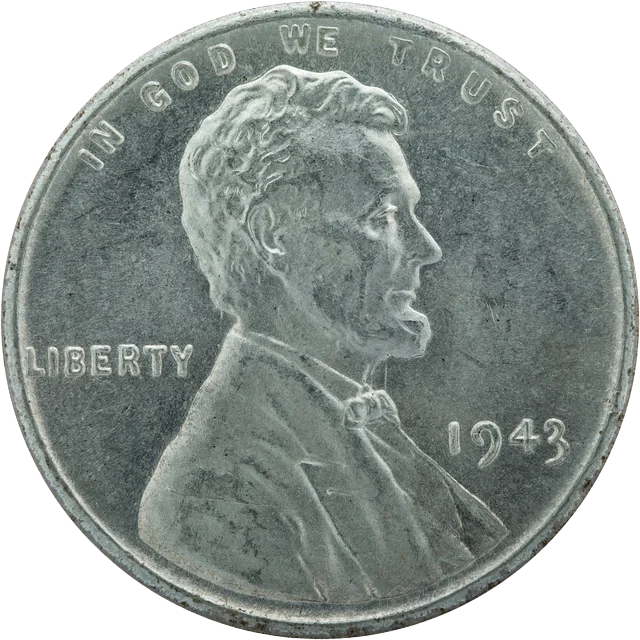
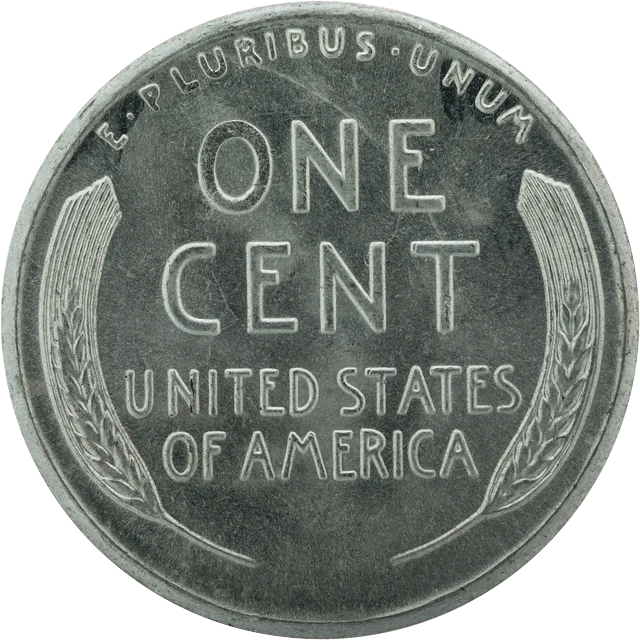
What a 1943 penny looks like
FrontBack
Shown: a 1943 steel cent. Photos: National Numismatic Collection, National Museum of American History (photo by Jaclyn Nash), Public domain, via Wikimedia Commons (front, back).
Varieties and errors to check
1943 copper (bronze) cent
Look for: A 1943 cent that is copper colored and does NOT stick to a magnet, weighing about 3.1 grams.
One of the most famous U.S. errors; only about two dozen are known from all three mints. Most copper-looking 1943 cents are plated steel or altered dates, so a magnet test comes first.
Front of the coin, just below the date. Philadelphia cents have no letter, and neither do the 1964 cents struck in San Francisco or the cents struck at West Point from 1974.
What it's made of
Zinc-coated steel, 2.7 grams
Melting cents and nickels is not allowed under U.S. Mint rules, so copper and nickel value is a guide only.
Mintage
How many were made
Coin
Type
Mintage
1943-D
For circulation
217,660,000
1943 (no mint mark)
For circulation
684,628,670
1943-S
For circulation
191,550,000
Questions
Is a 1943 penny silver?
No. 1943 pennies are made of zinc-coated steel.
Which 1943 penny is worth the most?
In MS65, the 1943-S is worth the most, about $36. The 1943 copper (bronze) cent is the one to look for: typical examples sell for $200,000–350,000.
Where is the mint mark on a 1943 penny?
Front of the coin, just below the date. Philadelphia cents have no letter, and neither do the 1964 cents struck in San Francisco or the cents struck at West Point from 1974.
As an Amazon Associate I earn from qualifying purchases. As an eBay Partner Network affiliate, we may also earn a commission when you buy through links on this site, at no extra cost to you. Affiliate disclosure.
 CoinYearValue