Certified MS65$18–23Near flawless, graded by PCGS or NGC
A worn 1950 penny sells for about 4–5¢.
Uncirculated ones bring 90¢–$2, and a certified MS65 brings $18–23, depending on the mint mark.
An ordinary one is worth a few cents at most. Check the date and mint mark before spending it.
Advertisement
Proof cents come back after a seven-year break
No proof coins were made from 1943 through 1949. The Mint stopped after 1942 because of the war and then spent several years busy with military medals. Sales reopened in 1950, and 51,386 sets went out at $2.10 each, about double the 1942 total. The proof cent came in its own cellophane sleeve, stapled at the top, wrapped in tissue paper and packed in a small cardboard box with the other four coins.
Among the circulation strikes, the no-mint-mark coin is the one that commands the most in high grade. Philadelphia also made fewer cents than Denver this year, 272,635,000 against 334,950,000. PCGS specialist Jaime Hernandez says the 1950-P is very hard to find in MS64 and higher and counts fewer than 20 known in MS67, with none graded above that. PCGS estimates about 5,600 Philadelphia coins survive with full red color.
Quality varies by mint. CopperCoins reports that Philadelphia and Denver coins often come from worn, late-stage dies and frequently show discoloration from chemical washing. The 1950-S, with the smallest mintage of the three at 118,505,000, is the one most often found with full original red.
Variety hunters find mostly repunched mint marks this year: CopperCoins lists 40 on Denver dies and 47 on San Francisco dies, against only 7 doubled dies from Philadelphia. None are rare, which makes 1950 one of the first dates where a complete variety set is within reach.
What to check on this one
A 1950 cent with mirror-like fields and crisp detail may be one of the 51,386 proofs rather than a circulation strike; have it checked before selling it as an ordinary coin.
On 1950 and 1950-D coins, uneven or dull color often means a chemical wash, which keeps a coin from grading as red.
Hold a 1950-S to the light for original mint red; this mint's coins are the likeliest of the year to have it, so a dull S is not worth a premium.
What each 1950 penny is worth, by grade and mint mark
Grade
No mark
D
S
GoodGoodG4Heavily worn; date and letters still readable
4¢
4¢
4¢
FineFineF12Worn, but all the main lettering is clear
4¢
4¢
4¢
Very FineV. FineVF20Light to moderate wear on the high spots
5¢
5¢
5¢
Extremely FineEx. FineEF40Light wear on the highest spots only
7¢
7¢
7¢
About UncirculatedAbout Unc.AU50Traces of wear, some original shine
10¢
10¢
10¢
UncirculatedUnc.MS60No wear, but plenty of marks
$1.50
90¢
95¢
Choice UncirculatedChoice Unc.MS63No wear and only a few marks
$2
$2
$1.50
Gem UncirculatedGem Unc.MS65Certified and nearly flawless
$23
$18
$20
Good through About Uncirculated are for coins as found, not in a grading holder. MS60 and MS63 are uncirculated coins; MS65 is a coin certified by PCGS or NGC. For cents, MS60 and MS63 values are for brown coins, and red ones bring more. MS65 values are for coins with full original red color; brown and red-brown ones sell for less. Values checked November 15, 2026 against public price guides and auction records. How values work.
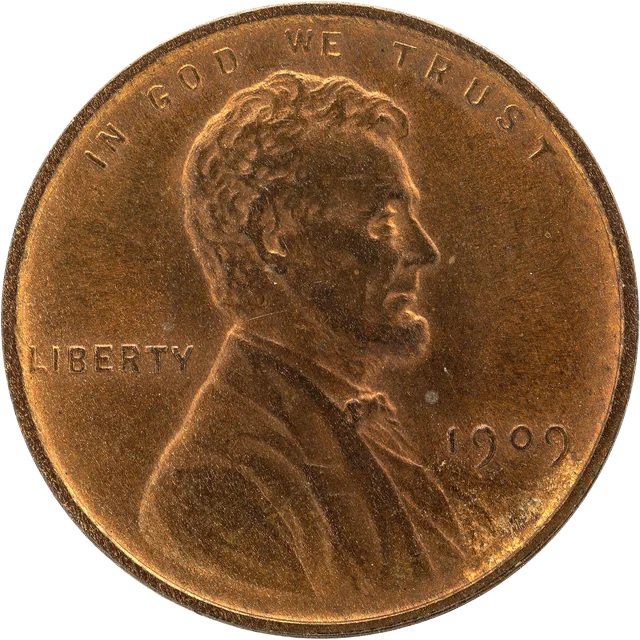
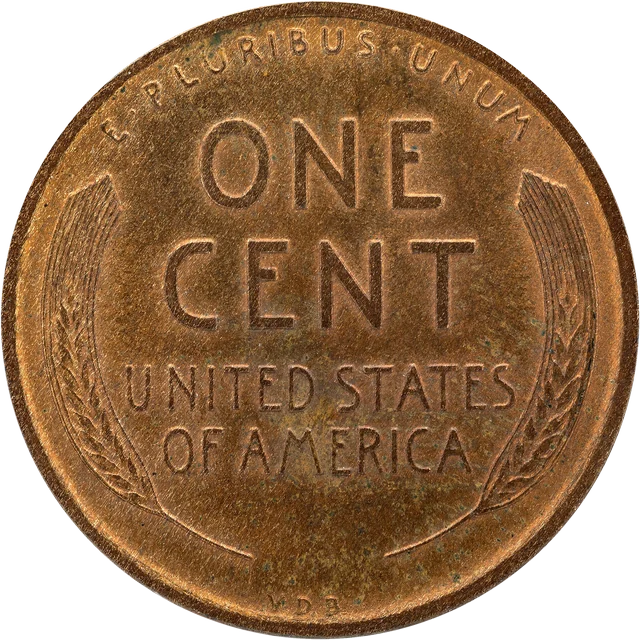
What a 1950 penny looks like
FrontBack
Shown: a 1909 VDB Lincoln wheat cent. Photos: National Numismatic Collection, National Museum of American History (photo by Jaclyn Nash), Public domain, via Wikimedia Commons.
Varieties and errors to check
No major varieties are listed for 1950 pennies. Minor errors and die varieties interest specialists, but for ordinary coins condition and mint mark set the value.
Find the mint mark
Front of the coin, just below the date. Philadelphia cents have no letter, and neither do the 1964 cents struck in San Francisco or the cents struck at West Point from 1974.
What it's made of
Bronze (95% copper, 5% tin and zinc), 3.11 grams, about 4¢ of copper
Melting cents and nickels is not allowed under U.S. Mint rules, so copper and nickel value is a guide only.
Mintage
How many were made
Coin
Type
Mintage
1950-D
For circulation
334,950,000
1950 (no mint mark)
For circulation
272,635,000
1950-S
For circulation
118,505,000
1950 (no mint mark)
Proof (collector)
51,386
Questions
Is a 1950 penny silver?
No. 1950 pennies are made of bronze (95% copper, 5% tin and zinc).
Which 1950 penny is worth the most?
In MS65, the 1950 (no mint mark) is worth the most, about $23.
Where is the mint mark on a 1950 penny?
Front of the coin, just below the date. Philadelphia cents have no letter, and neither do the 1964 cents struck in San Francisco or the cents struck at West Point from 1974.
As an Amazon Associate I earn from qualifying purchases. As an eBay Partner Network affiliate, we may also earn a commission when you buy through links on this site, at no extra cost to you. Affiliate disclosure.
 CoinYearValue