CoinYearValue

Home / Lincoln cents

1951 Penny Value

  • Worn4–5¢Normal wear from circulation
  • Uncirculated80¢–$1.50No wear, MS60 to MS63
  • Certified MS65$18–22Near flawless, graded by PCGS or NGC

A worn 1951 penny sells for about 4–5¢.

Uncirculated ones bring 80¢–$1.50, and a certified MS65 brings $18–22, depending on the mint mark.

An ordinary one is worth a few cents at most. Check the date and mint mark closely for the varieties below before spending it.

Advertisement

Denver punches a D over an S, and the dies run long

At least two Denver dies from 1951 had a D punched almost directly on top of an S. On the first, remnants of the S show below and to the left of the D; on the second, the bottom curve of the S peeks out under it. They are listed as FS-01-1951D-511 and FS-512, and CopperCoins now records a third D over S die with an S under the bottom of the mint mark.

Denver turned out 625,355,000 cents, more than twice Philadelphia's 284,576,000, and the 1951-D ranks 12th by mintage among all wheat cents. The Korean War was underway, but unlike World War II it did not cut into metal or labor enough to slow cent production. Proof sets were in only their second year back, and 57,500 were sold.

Strike quality is the weak spot for this date. CopperCoins describes Philadelphia coins as made cheaply and efficiently at the expense of quality, with Denver and San Francisco only a little better. Soft strikes are common, especially around the O in ONE on the back, and late die-state coins with die chips and breaks are easy to find, a sign the Mint was squeezing extra life out of worn dies. PCGS's Hernandez says the 1951-P is very common in MS65 and lower but much scarcer in MS66, and becomes very scarce at MS67.

Many 1951 cents show a doubled outline along Lincoln's profile. That is reduction lathe doubling from a maladjusted machine, not a doubled die, and it adds nothing to the value.

What to check on this one

  • On a 1951-D, look at the mint mark with a 10x loupe for a bump on the left side of the D or a curved hook below it; either can be part of an underlying S.
  • A soft, weak O in ONE on the reverse is a common strike weakness for 1951, not damage, but it does hold the grade down.
  • Doubling along the front edge of Lincoln's profile is usually reduction lathe doubling, not a doubled die.

Sources: 1951 D/S OMM #1 and OMM #2 (Lincoln Cent Resource); 1951 Lincoln Cent Date Guide (CopperCoins); 1951 1C, RD, PCGS CoinFacts.
Advertisement

Value by grade and mint mark

What each 1951 penny is worth, by grade and mint mark
GradeNo markDS
GoodGood G4Heavily worn; date and letters still readable4¢4¢4¢
FineFine F12Worn, but all the main lettering is clear4¢4¢4¢
Very FineV. Fine VF20Light to moderate wear on the high spots5¢5¢5¢
Extremely FineEx. Fine EF40Light wear on the highest spots only7¢7¢7¢
About UncirculatedAbout Unc. AU50Traces of wear, some original shine10¢10¢10¢
UncirculatedUnc. MS60No wear, but plenty of marks$1.5080¢$1
Choice UncirculatedChoice Unc. MS63No wear and only a few marks$1.50$1.50$1.50
Gem UncirculatedGem Unc. MS65Certified and nearly flawless$22$18$18

Good through About Uncirculated are for coins as found, not in a grading holder. MS60 and MS63 are uncirculated coins; MS65 is a coin certified by PCGS or NGC. For cents, MS60 and MS63 values are for brown coins, and red ones bring more. MS65 values are for coins with full original red color; brown and red-brown ones sell for less. Values checked November 15, 2026 against public price guides and auction records. How values work.

What a 1951 penny looks like

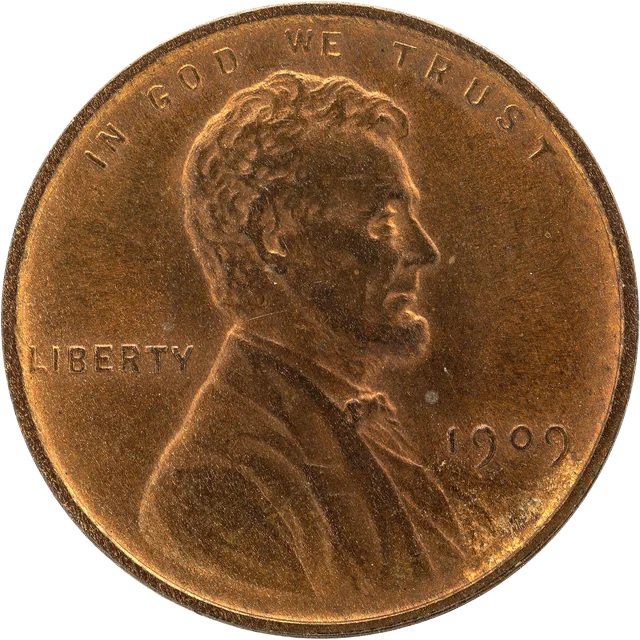
Front of a 1909 VDB Lincoln wheat cent
Front
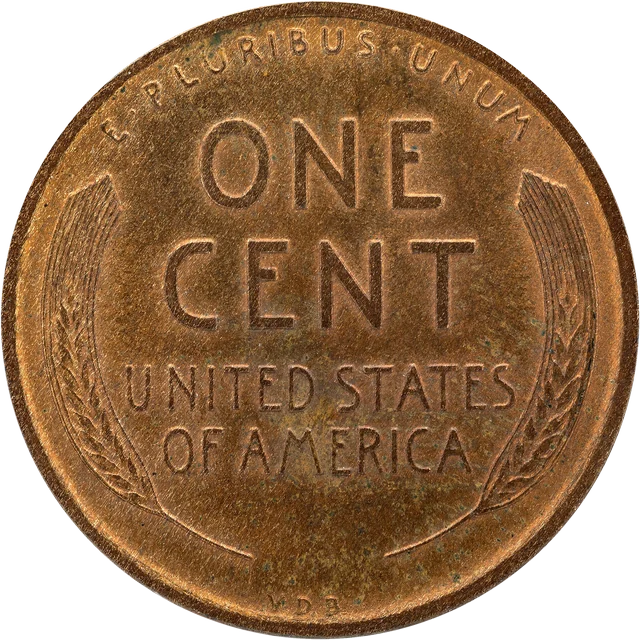
Back of a 1909 VDB Lincoln wheat cent
Back

Shown: a 1909 VDB Lincoln wheat cent. Photos: National Numismatic Collection, National Museum of American History (photo by Jaclyn Nash), Public domain, via Wikimedia Commons.

Varieties and errors to check

  • 1951-D, D over S

    Look for: Traces of an S under the D mint mark.

    A recognized overmint mark variety.

    Typical value: $5–25

    Source

Find the mint mark

Front of the coin, just below the date. Philadelphia cents have no letter, and neither do the 1964 cents struck in San Francisco or the cents struck at West Point from 1974.

What it's made of

  • Bronze (95% copper, 5% tin and zinc), 3.11 grams, about 4¢ of copper

Melting cents and nickels is not allowed under U.S. Mint rules, so copper and nickel value is a guide only.

Mintage

How many were made
CoinTypeMintage
1951-DFor circulation625,355,000
1951 (no mint mark)For circulation284,576,000
1951-SFor circulation136,010,000
1951 (no mint mark)Proof (collector)57,500

Questions

Is a 1951 penny silver?

No. 1951 pennies are made of bronze (95% copper, 5% tin and zinc).

Which 1951 penny is worth the most?

In MS65, the 1951 (no mint mark) is worth the most, about $22. The 1951-D, D over S is the one to look for: typical examples sell for $5–25.

Where is the mint mark on a 1951 penny?

Front of the coin, just below the date. Philadelphia cents have no letter, and neither do the 1964 cents struck in San Francisco or the cents struck at West Point from 1974.

Check real sales

Recent sold listings show what coins in your condition actually bring: see sold 1951 pennies on eBay.

Keep it safe: coin holders and a 10x loupe for checking details and mint marks.

As an Amazon Associate I earn from qualifying purchases. As an eBay Partner Network affiliate, we may also earn a commission when you buy through links on this site, at no extra cost to you. Affiliate disclosure.