 CoinYearValue
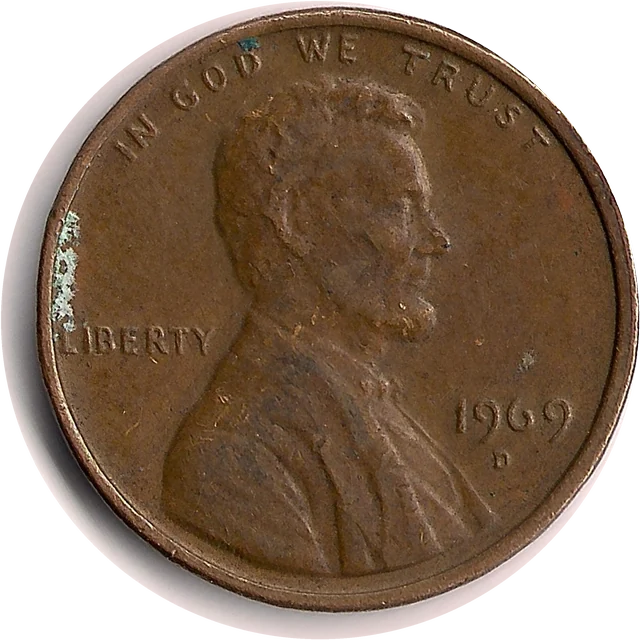
The last cent without a mint mark
Three billion cents dated 1967 came out of three mints, 3,048,667,100 in all, and at the time only the 1964-D had a bigger cent mintage. The date freeze had ended, and 1967 became the first year after the freeze in which every coin bearing the date was struck in that same calendar year. It was also the final year with no mint marks. Denver made the most at 1,327,377,100, and San Francisco's share grew to 813,715,000, more than three times its 1965 total.
The trouble with 1967 is the hub. The obverse master was about 50 years old, and most of Lincoln's hair, beard and coat detail had worn away. CoinWeek ranks the 1967 strike as dull, with only the 1968 looking worse, until fresh hubs arrived in 1969.
Saved rolls and bags were often stored badly, so many uncirculated singles have dull or spotted surfaces and faded red. As of January 25, 2022, PCGS and NGC combined had recorded only 1,504 grading events for Mint State Red 1967 cents. The top grade at both services is MS67 Red, and only about 3% of graded coins reach it.
The Special Mint Set count fell to 1,863,344 cents, the smallest of the three SMS years. Those SMS coins routinely grade MS67 Red, so a high grade that is rare for a business strike is ordinary for an SMS cent. No varieties are confirmed on circulation strikes, but minor doubled dies have been reported on SMS pieces.
What to check on this one
- A 1967 cent with frosty devices and lightly mirrored fields is probably from a Special Mint Set; it should be sold and graded as SMS, not as a regular MS coin.
- Check uncirculated pieces for spotting and faded red, the usual damage from poor roll storage. A spot-free full red coin is the one that earns a grading fee.
- Ignore claims that a 1967 cent came from Denver or San Francisco; no bags or rolls have been verified that identify either source.
Sources: United States 1967 Lincoln Cent (CoinWeek); 1967 Lincoln Cent Date Guide (CopperCoins); Lincoln cent mintage figures (Wikipedia).
