The year the cent switched to zinc mid-stream
Zinc cents started on January 7, 1982 at Philadelphia, after contract problems and production delays. Denver kept striking bronze much longer and did not switch until October 21, 1982. That gap explains why both metals exist for both mints, and why your 1982 cent could be either.
The date itself also changed during the year. A new obverse hub with a noticeably smaller date replaced the one that had been in use since mid-1974, so 1982 cents come in large date and small date versions. Put together with the two metals and the two mints, that gives the seven regular business-strike combinations collectors try to assemble. Denver never struck a regular small date bronze cent, which is why the 1982-D small date on a copper blank mentioned above is treated as an error.
The hard one to find nice is the Philadelphia small date in bronze. PCGS describes it as scarce even in MS64 and MS65, and extremely difficult in MS66 and higher. Early zinc cents had their own quality problem: the copper plating did not always bond well to the zinc core, so blisters and bubbles are common on this year's zinc pieces.
Proof cents from San Francisco, 3,857,479 of them, were all struck in bronze. PCGS points out that a no-mint-mark 1982 could have come from Philadelphia, San Francisco or West Point, so a plain-date coin cannot be pinned to one facility.
What to check on this one
- Look at the 2 in the date. A straight bottom stroke means small date; a 2 whose base curls up at the end means large date.
- On a zinc 1982, check for bubbles or blisters in the plating. They are a known production flaw for this year and lower the value rather than raise it.
- Weigh before sorting by date. Once you know the metal, the date size tells you which of the seven versions you have.
Sources: Lincoln cent (Wikipedia); The Transitional Cents of 1974 (NGC); Some 1982 Cent Facts (CoinSite); 1982 1C Bronze, Small Date, RD (PCGS CoinFacts).
Advertisement
Value by grade and mint mark
What each 1982 penny is worth, by grade and mint mark| Grade | No mark | D |
|---|
| GoodGood G4Heavily worn; date and letters still readable | 1¢ | 1¢ |
|---|
| FineFine F12Worn, but all the main lettering is clear | 1¢ | 1¢ |
|---|
| Very FineV. Fine VF20Light to moderate wear on the high spots | 1¢ | 1¢ |
|---|
| Extremely FineEx. Fine EF40Light wear on the highest spots only | 1¢ | 1¢ |
|---|
| About UncirculatedAbout Unc. AU50Traces of wear, some original shine | 2¢ | 2¢ |
|---|
| UncirculatedUnc. MS60No wear, but plenty of marks | 5¢ | 5¢ |
|---|
| Choice UncirculatedChoice Unc. MS63No wear and only a few marks | 10¢ | 10¢ |
|---|
| Gem UncirculatedGem Unc. MS65Certified and nearly flawless | $11 | $13 |
|---|
Good through About Uncirculated are for coins as found, not in a grading holder. MS60 and MS63 are uncirculated coins; MS65 is a coin certified by PCGS or NGC. Copper and zinc 1982 cents look alike, so worn ones are valued at face. A copper one weighs 3.1 grams (zinc 2.5) and is worth a few cents for its copper. For cents, MS60 and MS63 values are for brown coins, and red ones bring more. MS65 values are for coins with full original red color; brown and red-brown ones sell for less. Values checked November 15, 2026 against public price guides and auction records. How values work.
What a 1982 penny looks like
Varieties and errors to check
Seven versions: copper or zinc, large or small date
Look for: Weigh it: about 3.1 grams is copper, about 2.5 grams is zinc. Then compare the date size.
Copper versions are worth their copper value. A 1982-D small date on a copper blank is not one of the seven regular versions; it is an error with only two known.
Source
Find the mint mark
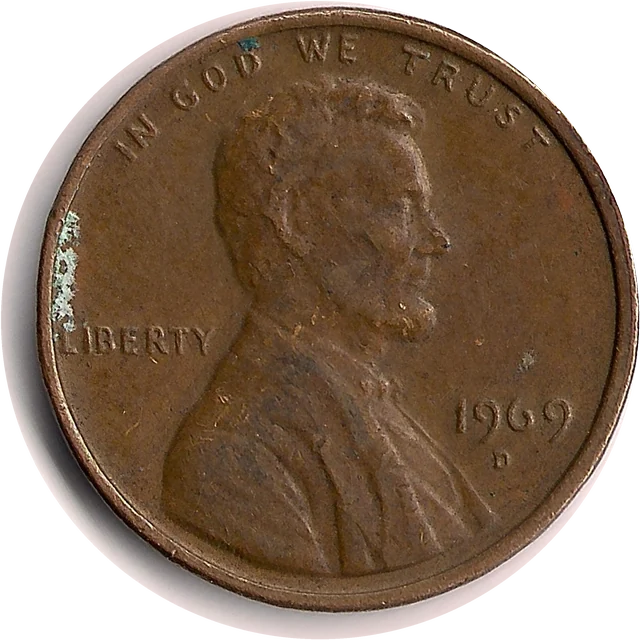
Front of the coin, just below the date. Philadelphia cents have no letter, and neither do the 1964 cents struck in San Francisco or the cents struck at West Point from 1974.
What it's made of
- Both bronze (3.11 g) and copper-plated zinc (2.50 g) were made this year
Melting cents and nickels is not allowed under U.S. Mint rules, so copper and nickel value is a guide only.
Mintage
How many were made| Coin | Type | Mintage |
|---|
| 1982-D | For circulation | 6,012,979,368 |
|---|
| 1982 (no mint mark) | For circulation | 10,712,525,000 |
|---|
| 1982-S | Proof (collector) | 3,857,479 |
|---|
Questions
Is a 1982 penny silver?
No. 1982 pennies were made in two metals: bronze (95% copper, 3.11 grams) and copper-plated zinc (2.50 grams). Weigh yours to tell them apart.
Which 1982 penny is worth the most?
In MS65, the 1982-D is worth the most, about $13.
Where is the mint mark on a 1982 penny?
Front of the coin, just below the date. Philadelphia cents have no letter, and neither do the 1964 cents struck in San Francisco or the cents struck at West Point from 1974.
Check real sales
Recent sold listings show what coins in your condition actually bring: see sold 1982 pennies on eBay.
Keep it safe: coin holders and a 10x loupe for checking details and mint marks.
As an Amazon Associate I earn from qualifying purchases. As an eBay Partner Network affiliate, we may also earn a commission when you buy through links on this site, at no extra cost to you. Affiliate disclosure.
 CoinYearValue