Certified MS65$12–14Near flawless, graded by PCGS or NGC
A worn 1983 penny is worth its face value, 1¢.
Uncirculated ones bring 5–15¢, and a certified MS65 brings $12–14, depending on the mint mark.
An ordinary one is worth one cent. Check it closely for the varieties below before spending it.
Advertisement
The first all-zinc year, and the reverse that doubled itself
The Mint began making copper-plated zinc cents during 1982. Philadelphia struck the first on January 7, and Denver did not convert until October 21. That makes 1983 the first date with no copper cents at all, so every coin in a 1983 roll is plated zinc. A gray or silvery 1983 is nearly always a cent whose plating wore off or was stripped, and gold or brown toning comes from skin oils, moisture and storage. None of that is a Mint error.
The doubled die reverse is why people check this date. The Lincoln Cent Resource calls it Class IV, or offset hub, doubling, with the second image shifted vertically, and rates it the strongest reverse doubled die in the Lincoln series. Look at the word ONE first, where the extra image shows to the naked eye. A second reverse die, FS-802, has lighter spread mostly in UNITED. CoinValueChecker gives its markers as a die crack running from the lower right base of the Memorial to the rim, plus three scratches in the first bay of the building. Faint doubling together with that crack points to the lesser variety.
The rarest 1983 cent will not turn up in an ordinary roll. A few were struck by mistake on leftover bronze blanks from the old composition, which Wikipedia describes as extremely rare. A bronze blank is heavier, at 3.11 grams, so a scale separates it from the usual zinc cent. In 2021 Numismatic News told of Ernie Gesner, an Oregon collector who found one while sorting about 50,000 pre-1982 cents he had bought for $800 to hoard for their copper. The same article mentioned a 1983-D on a copper-alloy blank that had sold for $17,625, and CoinValueChecker counts fewer than a dozen authenticated examples.
What to check on this one
Turn to the reverse and look at ONE under a light. On the FS-801 doubled die the second image is plain without a loupe.
If the doubling is slight and confined to UNITED, look for a die crack from the lower right base of the Memorial to the rim. That crack points to FS-802, not FS-801.
Weigh any 1983 that looks unusually coppery on a scale accurate to 0.01 gram. A reading near 3.1 grams, not 2.5, needs expert authentication before it means anything.
What each 1983 penny is worth, by grade and mint mark
Grade
No mark
D
GoodGoodG4Heavily worn; date and letters still readable
1¢
1¢
FineFineF12Worn, but all the main lettering is clear
1¢
1¢
Very FineV. FineVF20Light to moderate wear on the high spots
1¢
1¢
Extremely FineEx. FineEF40Light wear on the highest spots only
1¢
1¢
About UncirculatedAbout Unc.AU50Traces of wear, some original shine
2¢
3¢
UncirculatedUnc.MS60No wear, but plenty of marks
5¢
10¢
Choice UncirculatedChoice Unc.MS63No wear and only a few marks
10¢
15¢
Gem UncirculatedGem Unc.MS65Certified and nearly flawless
$12
$14
Good through About Uncirculated are for coins as found, not in a grading holder. MS60 and MS63 are uncirculated coins; MS65 is a coin certified by PCGS or NGC. The no-mark column includes cents struck at West Point, which carry no mint mark. For cents, MS60 and MS63 values are for brown coins, and red ones bring more. MS65 values are for coins with full original red color; brown and red-brown ones sell for less. Values checked November 15, 2026 against public price guides and auction records. How values work.
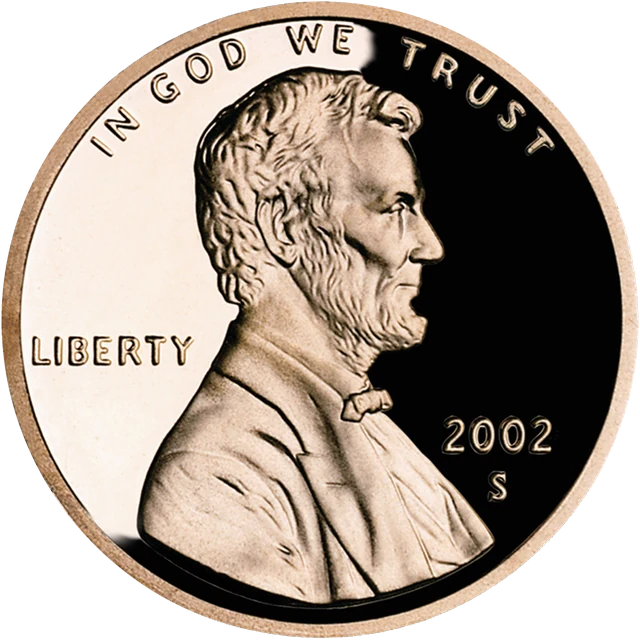
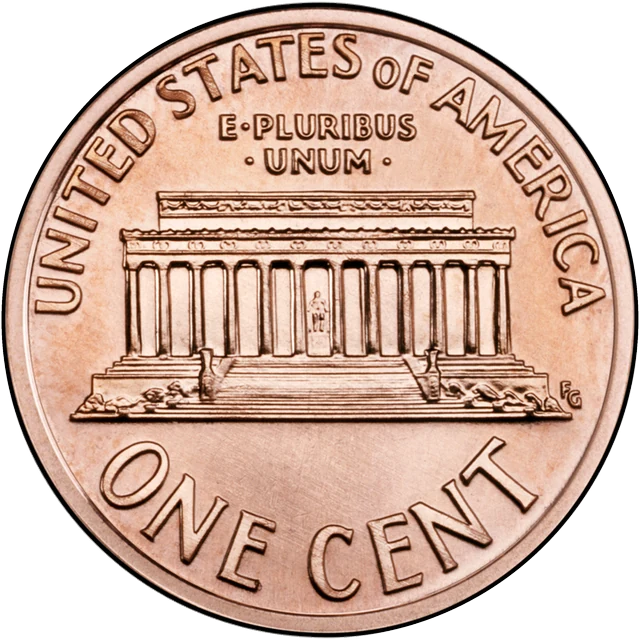
What a 1983 penny looks like
FrontBack
Shown: the front of a 2002-S proof cent and the back of a 2005-D cent. The design is the same, except that on cents made for circulation through 1992 the A and M of AMERICA stand farther apart. Photos: United States Mint, Public domain, via Wikimedia Commons (front, back).
Varieties and errors to check
1983 doubled die reverse (FS-801)
Look for: Strong doubling across the back: ONE CENT, UNITED STATES OF AMERICA and E PLURIBUS UNUM. Strong examples show it without magnification.
The hub shifted while this reverse die was made, so the whole back is doubled. It is one of the strongest doubled dies in the Lincoln series.
As an Amazon Associate I earn from qualifying purchases. As an eBay Partner Network affiliate, we may also earn a commission when you buy through links on this site, at no extra cost to you. Affiliate disclosure.
 CoinYearValue