Certified MS65$9Near flawless, graded by PCGS or NGC
A worn 1991 penny is worth its face value, 1¢.
Uncirculated ones bring 5–10¢, and a certified MS65 brings $9.
An ordinary one is worth one cent. Only a sharp uncirculated coin or a genuine mint error is worth more.
Advertisement
Denver's lightest cent year of the 1990s, and a D that arrived with the die
Denver struck 4,158,442,076 cents in 1991. CoinValueChecker calls that the smallest Denver cent output of the 1990s, and CopperCoins ranks it 57th of 126 business-strike mintages, behind Philadelphia's 5,165,940,000 at 36th. San Francisco's 2,867,787 proofs rank 37th of 54.
NGC says the nickel through half dollar received master-die mint marks beginning in 1990, and that the cents fell into line the next year. After that, every coin carries the same style of mint mark in the same spot. For the 1991-D, that means the letter comes with the die and is not punched in separately. The long lists of repunched D varieties cataloged for mid-1980s Denver cents belong to the hand-punching era.
The scarcity in 1991 is all about condition, and Denver is where it bites. PCGS graded its first 1991-D at MS69 Red in May 1993, and CoinValueChecker says fewer than 50 coins have reached MS69 across all services. One sold for $11,400 at Heritage in February 2022. Philadelphia coins hit a wall at MS68, where an MS68+ Red brought $1,116.25 at Heritage on April 26, 2017.
Silvery 1991 cents are mostly stripped or worn pieces. Reports also exist of a 1991 cent struck on a dime blank. That blank measures about 17.91 mm instead of 19.05 mm and is copper-nickel clad, which is why it looks silver and why it needs authentication before anyone pays for it.
What to check on this one
Read the diameter of any silver-colored cent. About 17.9 mm instead of 19.05 mm points to a dime blank. Authentication is the next step.
A 1991-D that looks like it has a doubled D is more likely damaged or machine doubled than repunched, since the letter comes with the master die.
Color is the real test. Only a cent that is still fully red, with no spotting on the zinc, has a chance at a premium.
What each 1991 penny is worth, by grade and mint mark
Grade
No mark
D
GoodGoodG4Heavily worn; date and letters still readable
1¢
1¢
FineFineF12Worn, but all the main lettering is clear
1¢
1¢
Very FineV. FineVF20Light to moderate wear on the high spots
1¢
1¢
Extremely FineEx. FineEF40Light wear on the highest spots only
1¢
1¢
About UncirculatedAbout Unc.AU50Traces of wear, some original shine
2¢
2¢
UncirculatedUnc.MS60No wear, but plenty of marks
5¢
5¢
Choice UncirculatedChoice Unc.MS63No wear and only a few marks
10¢
10¢
Gem UncirculatedGem Unc.MS65Certified and nearly flawless
$9
$9
Good through About Uncirculated are for coins as found, not in a grading holder. MS60 and MS63 are uncirculated coins; MS65 is a coin certified by PCGS or NGC. For cents, MS60 and MS63 values are for brown coins, and red ones bring more. MS65 values are for coins with full original red color; brown and red-brown ones sell for less. Values checked November 15, 2026 against public price guides and auction records. How values work.
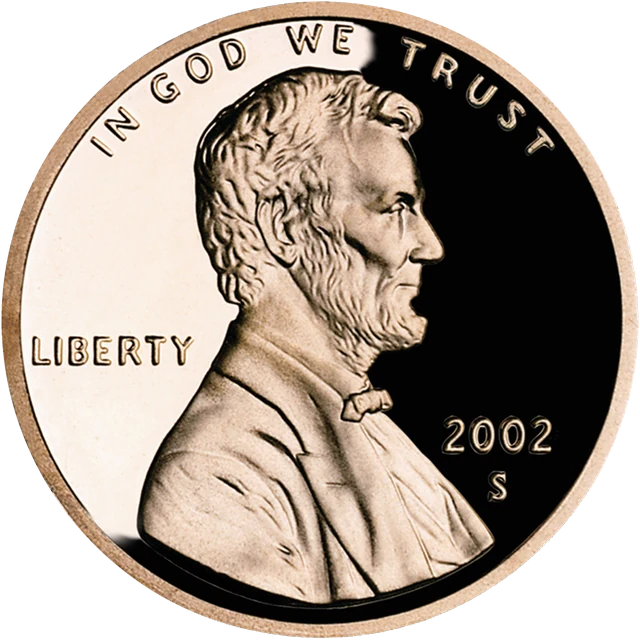
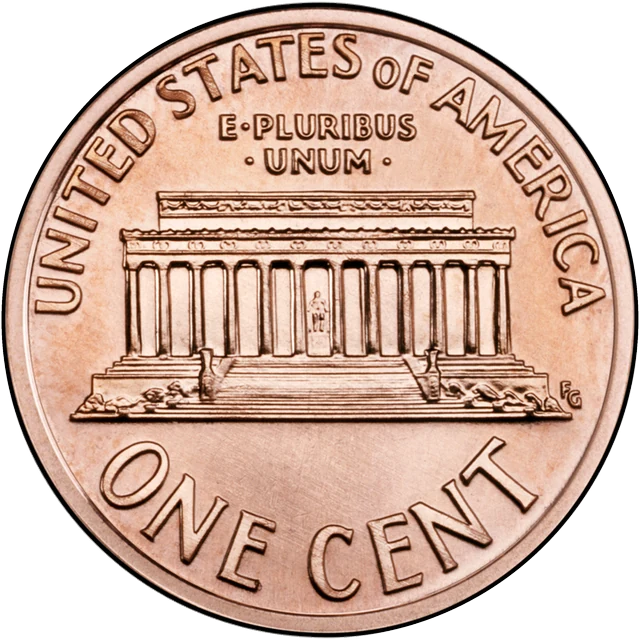
What a 1991 penny looks like
FrontBack
Shown: the front of a 2002-S proof cent and the back of a 2005-D cent. The design is the same, except that on cents made for circulation through 1992 the A and M of AMERICA stand farther apart. Photos: United States Mint, Public domain, via Wikimedia Commons (front, back).
Varieties and errors to check
No major varieties are listed for 1991 pennies. Minor errors and die varieties interest specialists, but for ordinary coins condition and mint mark set the value.
Find the mint mark
Front of the coin, just below the date. Philadelphia cents have no letter.
As an Amazon Associate I earn from qualifying purchases. As an eBay Partner Network affiliate, we may also earn a commission when you buy through links on this site, at no extra cost to you. Affiliate disclosure.
 CoinYearValue