CoinYearValue
1998: wide AM cents in change, and wide-AM-versus-close-AM in proof sets
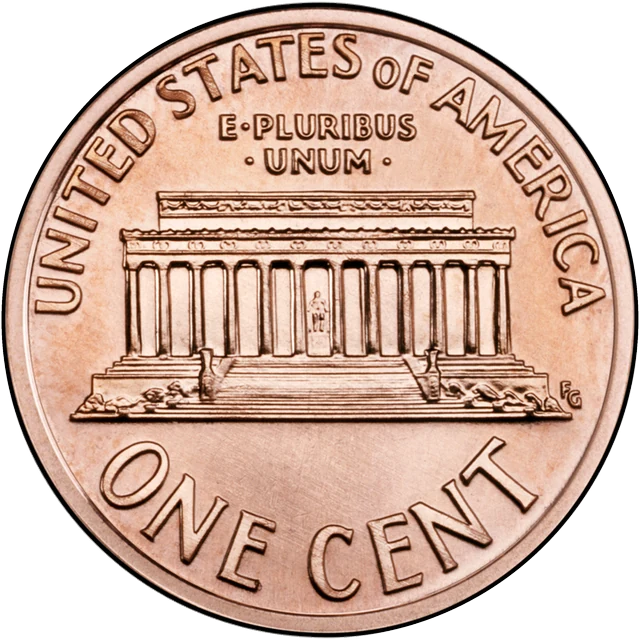
The most useful fact about 1998 is the oddity that gave the year its variety. Proof cents were meant to carry the Wide AM reverse, with extra space between the A and M of AMERICA, and business strikes were meant to carry Close AM. In 1998 some proof-intended reverse dies were paired with business-strike obverses for reasons nobody has explained, and the result is the 1998 wide AM cent from Philadelphia.
It sits between its neighbors: easier to find than the 1999 wide AM, harder than the 2000. One ranking of the wide AM and close AM issues, from scarcest to least rare, puts the 1998 wide AM sixth of seven, ahead of only 2000. A reference page on the error says the 1998 and 2000 pieces turned up in numbers large enough to keep premiums low, while 1999 is considered rare. The reverse mix-up also ran the other way: some 1998-S proofs have a Close AM reverse, which ranks third scarcest on the same list.
Mintage was moderate. Philadelphia made 5,032,200,000 cents and Denver 5,225,200,000. The San Francisco proof run of 2,086,507 ranks 50th of 54 for the type, among the lower proof totals of the Memorial era. CopperCoins also catalogs 19 doubled die reverses for the year, 13 from Philadelphia and 6 from Denver, but none of them is a major variety, and the wide AM is the one anyone searches for.
What to check on this one
- Do not rely on the AM gap alone. On a wide AM reverse the FG initials are bold, stand well above the field and the G has a horizontal hook.
- On a close AM reverse the FG initials sit farther from the Memorial.
- Die abrasion can widen the AM gap and die wear can narrow it, and damage after striking can mimic the variety. Compare with a normal coin.
- If you own a 1998 proof set, check the S cent for a close AM back.
Sources: Wide AM and Close AM Varieties, Lincoln Cent Resource; Mismatched business and proof dies 1998 to 2000, Error-Ref; 1998 Lincoln Cent Date Guide, CopperCoins.