Certified MS65$8–13Near flawless, graded by PCGS or NGC
A worn 1999 penny is worth its face value, 1¢.
Uncirculated ones bring 5–10¢, and a certified MS65 brings $8–13, depending on the mint mark.
An ordinary one is worth one cent. Check it closely for the varieties below before spending it.
Advertisement
1999: the wide AM that is harder to find than 1998 or 2000
Of the three years that produced wide AM business cents, 1999 is the one collectors treat as the real find. A ranking of the wide AM and close AM issues, scarcest first, puts the 1999 wide AM fifth of seven. Both 1998 and 2000 fall below it, and a reference page on the error describes 1998 and 2000 as showing up in large enough numbers to keep premiums low and 1999 as rare.
The cause is the same mix-up as in the neighboring years: reverse dies prepared for proofs, with wider spacing between the A and M, were paired for unexplained reasons with business-strike obverses. The mistake also appears in the opposite direction. Some 1999-S proofs have a Close AM reverse, which makes them the fourth scarcest of the group, and collectors are advised to check S cents in 1998 and 1999 proof sets.
1999 is also the end of a mint mark era. CopperCoins lists the Large long serif D for business strikes from 1995 to 1999 and the Large proof S from 1990 to 1999. Starting in 2000 it shows a Large thick D and a Narrow S, so a 1999-D is the last of its style.
One practical point: a rare wide AM cent is easy to talk yourself into. The gap is real on a true wide AM reverse, but an abraded die can open the space between the A and M on an ordinary coin, so one cent with a gap proves little.
What to check on this one
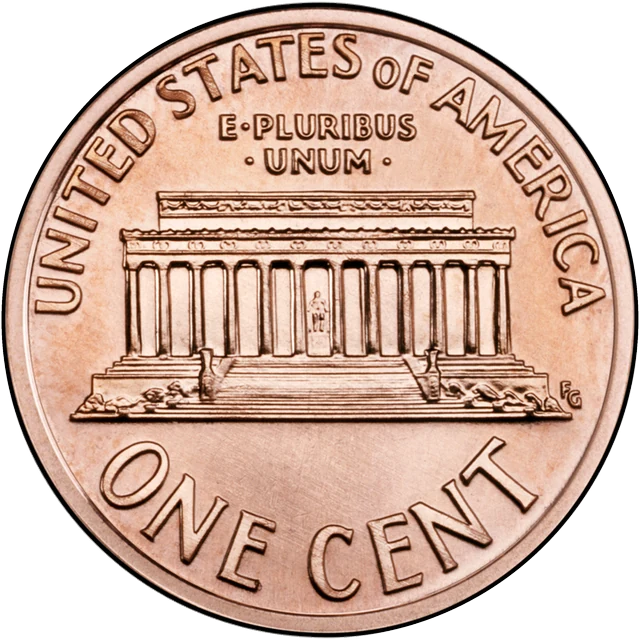
Study the back first. Look for the gap between the bases of the A and M, then check the FG initials, which are closer to the Memorial on a wide AM reverse.
Test the lettering on a normal 1999 cent next to the suspect coin. Die abrasion and later damage can both widen the gap.
If you have a 1999 proof set, check the S cent for a close AM back.
What each 1999 penny is worth, by grade and mint mark
Grade
No mark
D
GoodGoodG4Heavily worn; date and letters still readable
1¢
1¢
FineFineF12Worn, but all the main lettering is clear
1¢
1¢
Very FineV. FineVF20Light to moderate wear on the high spots
1¢
1¢
Extremely FineEx. FineEF40Light wear on the highest spots only
1¢
1¢
About UncirculatedAbout Unc.AU50Traces of wear, some original shine
2¢
2¢
UncirculatedUnc.MS60No wear, but plenty of marks
5¢
5¢
Choice UncirculatedChoice Unc.MS63No wear and only a few marks
10¢
10¢
Gem UncirculatedGem Unc.MS65Certified and nearly flawless
$13
$8
Good through About Uncirculated are for coins as found, not in a grading holder. MS60 and MS63 are uncirculated coins; MS65 is a coin certified by PCGS or NGC. For cents, MS60 and MS63 values are for brown coins, and red ones bring more. MS65 values are for coins with full original red color; brown and red-brown ones sell for less. Values checked November 15, 2026 against public price guides and auction records. How values work.
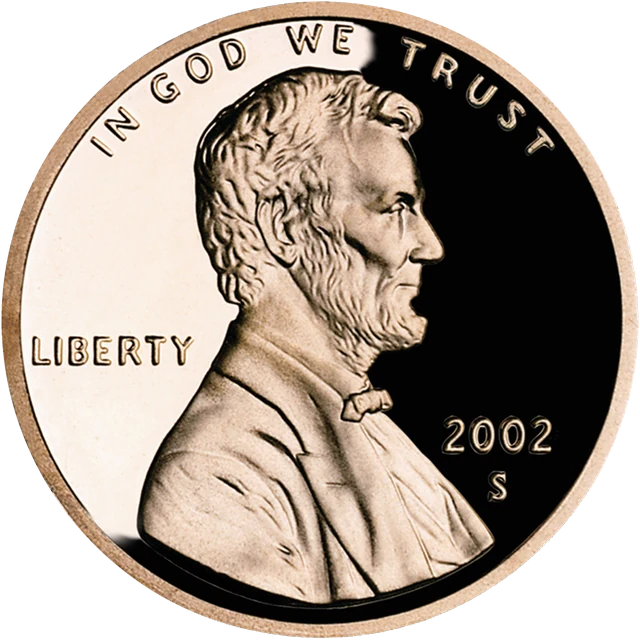
What a 1999 penny looks like
FrontBack
Shown: the front of a 2002-S proof cent and the back of a 2005-D cent; the design is the same. Photos: United States Mint, Public domain, via Wikimedia Commons (front, back).
Varieties and errors to check
1999 wide AM
Look for: A clear gap between the bases of the A and M in AMERICA on the back. Normal 1999 cents have them nearly touching.
Proof reverse dies, with wider letter spacing, were used by mistake for some Philadelphia business cents. It is the most valuable regular-issue variety of the year.
Value: $110 uncirculated to $270 in certified MS65
As an Amazon Associate I earn from qualifying purchases. As an eBay Partner Network affiliate, we may also earn a commission when you buy through links on this site, at no extra cost to you. Affiliate disclosure.
 CoinYearValue