Certified MS65$9Near flawless, graded by PCGS or NGC
A worn 2001 penny is worth its face value, 1¢.
Uncirculated ones bring 5–10¢, and a certified MS65 brings $9.
An ordinary one is worth one cent. Only a sharp uncirculated coin or a genuine mint error is worth more.
Advertisement
2001: lower output, a failed attempt to end the cent, and no key variety
Coin production fell sharply as the new decade began. The Government Accountability Office reported that the Mint shipped 27,187 million coins to the Federal Reserve in fiscal 2000 and 23,224 million in 2001, then 14,962 million in 2002, with no coin or currency shortages in the three years before its report. The cent, which the same report says accounts for more than half of all coins made, followed that trend: Philadelphia made 4,959,600,000 in 2001 and Denver 5,374,990,000, both below their 2000 totals.
That was also the year Representative Jim Kolbe introduced the Legal Tender Modernization Act of 2001, H.R. 2528, in the latest of his attempts to retire the cent through rounding. It failed, as his earlier bills had. CopperCoins also notes that the September 11 attacks came while the year's cents were circulating, which is the context for a coin that otherwise passed without incident.
The cent itself has little that sets it apart. The 2001 issue keeps the coat detail obverse and the Large thick D and Narrow S mint marks that run from 2000 to 2007. CopperCoins lists 34 doubled dies for the year, 3 obverse and 31 reverse, with 24 from Philadelphia and 10 from Denver. These are specialist varieties and none is a recognized major one, so a 2001 cent in circulated grade is worth its face value.
What to check on this one
Look at the back of any no-mint-mark or D cent. The references list close AM for business strikes from 2001 to 2007, so a wide AM would be unusual and more likely abrasion.
Check the mint mark on Denver coins for the thick D.
Denver is the place for obverse doubling this year: the CopperCoins catalog lists 2 doubled die obverses from Denver and 1 from Philadelphia. Compare any suspect coin with a normal one.
On the proof S cent, the references expect the wide AM back, so a close AM there would be the oddity.
What each 2001 penny is worth, by grade and mint mark
Grade
No mark
D
GoodGoodG4Heavily worn; date and letters still readable
1¢
1¢
FineFineF12Worn, but all the main lettering is clear
1¢
1¢
Very FineV. FineVF20Light to moderate wear on the high spots
1¢
1¢
Extremely FineEx. FineEF40Light wear on the highest spots only
1¢
1¢
About UncirculatedAbout Unc.AU50Traces of wear, some original shine
2¢
2¢
UncirculatedUnc.MS60No wear, but plenty of marks
5¢
5¢
Choice UncirculatedChoice Unc.MS63No wear and only a few marks
10¢
10¢
Gem UncirculatedGem Unc.MS65Certified and nearly flawless
$9
$9
Good through About Uncirculated are for coins as found, not in a grading holder. MS60 and MS63 are uncirculated coins; MS65 is a coin certified by PCGS or NGC. For cents, MS60 and MS63 values are for brown coins, and red ones bring more. MS65 values are for coins with full original red color; brown and red-brown ones sell for less. Values checked November 15, 2026 against public price guides and auction records. How values work.
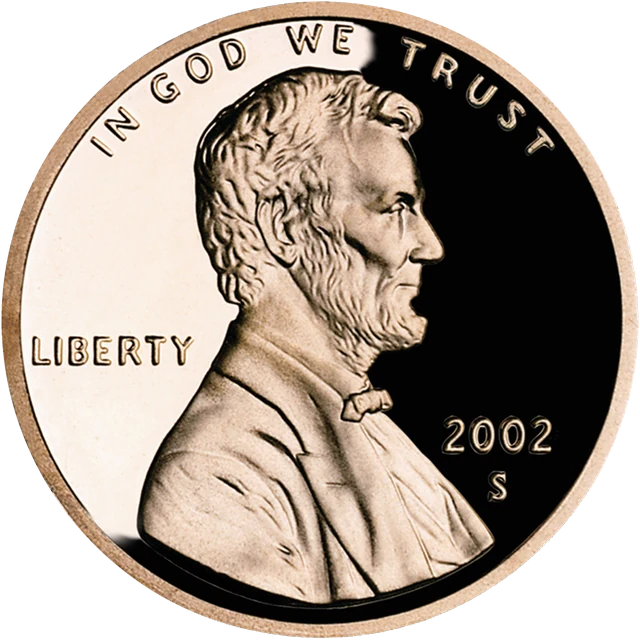
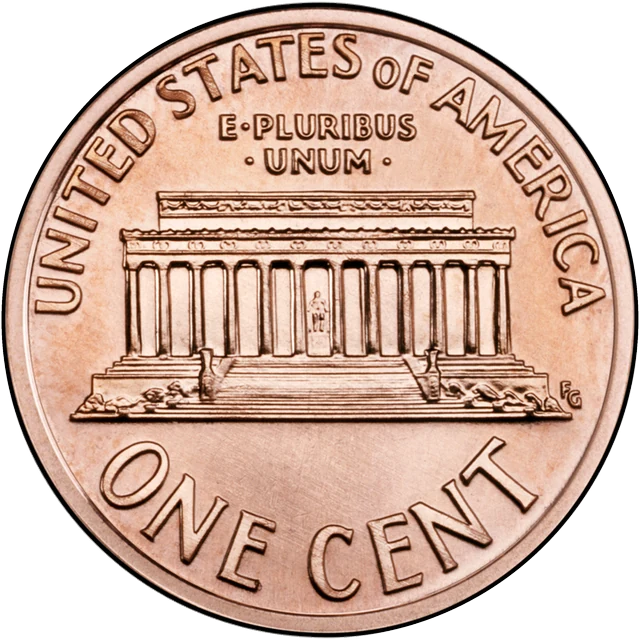
What a 2001 penny looks like
FrontBack
Shown: the front of a 2002-S proof cent and the back of a 2005-D cent; the design is the same. Photos: United States Mint, Public domain, via Wikimedia Commons (front, back).
Varieties and errors to check
No major varieties are listed for 2001 pennies. Minor errors and die varieties interest specialists, but for ordinary coins condition and mint mark set the value.
Find the mint mark
Front of the coin, just below the date. Philadelphia cents have no letter.
As an Amazon Associate I earn from qualifying purchases. As an eBay Partner Network affiliate, we may also earn a commission when you buy through links on this site, at no extra cost to you. Affiliate disclosure.
 CoinYearValue