Certified MS65$455Near flawless, graded by PCGS or NGC
Values for the 1917 penny with no mint mark. Other mint marks are in the table below.
A worn 1917 penny with no mint mark sells for about 30¢–$3.50.
Uncirculated, that coin brings $18–70, and a certified MS65 brings $455. In worn condition, the 1917-D is worth the most: about $1.50–14.
It's worth more than face value even when worn. Compare it with the table, and check the mint mark and the varieties below before selling.
Advertisement
Wartime die wear and the 1917-S gem problem
Wartime demand in 1917 pushed the Mint to run its presses on three shifts. Dies wore out fast under that schedule. Denver and San Francisco had it worst, since their working dies were made in Philadelphia and shipped west, so a branch mint often kept a die in service long after its detail had gone soft.
That is the reason the 1917-S is a common coin in worn grades and a hard one in gem condition. PCGS puts surviving 1917-S cents in MS60 to MS64 at somewhere under 1,000, and its expert narrative estimates only about 50 in MS65. A sharp, fully red 1917-S struck from fresh dies is a genuine find; most uncirculated pieces show mushy hair and lettering. The 1917-D has a similar story on a smaller scale. When Heritage sold a gem red 1917-S in 2010, it noted that PCGS had graded only one finer and NGC none.
The year also has a famous doubled die. On the 1917 doubled die obverse, the doubling shows on the motto and the date, and it was struck at Philadelphia, so it carries no mint mark. Philadelphia's 196,429,785 cents for the year include only a small share from the doubled die, which is why it brings a real premium. Philadelphia made no regular proof cents in 1917 either, since proof production stopped after 1916 and did not return until 1936.
What to check on this one
For the doubled die, study the motto and the 1917 with a loupe; true doubling shows as a distinct second outline, not a flat shelf from machine doubling.
The doubled die is a Philadelphia coin, so a 1917-D or 1917-S cannot be the doubled die variety.
On an uncirculated 1917-S or 1917-D, check whether Lincoln's hair and the wheat lines are crisp; worn-die strikes are normal for the year and bring less.
What each 1917 penny is worth, by grade and mint mark
Grade
No mark
D
S
GoodGoodG4Heavily worn; date and letters still readable
30¢
$1.50
$1.50
FineFineF12Worn, but all the main lettering is clear
$1
$5
$3.50
Very FineV. FineVF20Light to moderate wear on the high spots
$3.50
$14
$9
Extremely FineEx. FineEF40Light wear on the highest spots only
$4.50
$32
$15
About UncirculatedAbout Unc.AU50Traces of wear, some original shine
$11
$39
$26
UncirculatedUnc.MS60No wear, but plenty of marks
$18
$70
$79
Choice UncirculatedChoice Unc.MS63No wear and only a few marks
$70
$180
$180
Gem UncirculatedGem Unc.MS65Certified and nearly flawless
$455
$2,700
$9,400
Good through About Uncirculated are for coins as found, not in a grading holder. MS60 and MS63 are uncirculated coins; MS65 is a coin certified by PCGS or NGC. For cents, MS60 and MS63 values are for brown coins, and red ones bring more. MS65 values are for coins with full original red color; brown and red-brown ones sell for less. Values checked November 15, 2026 against public price guides and auction records. How values work.
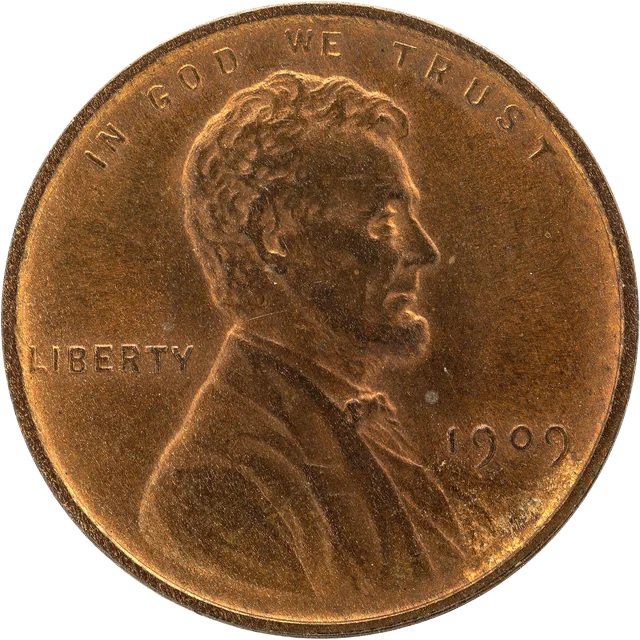
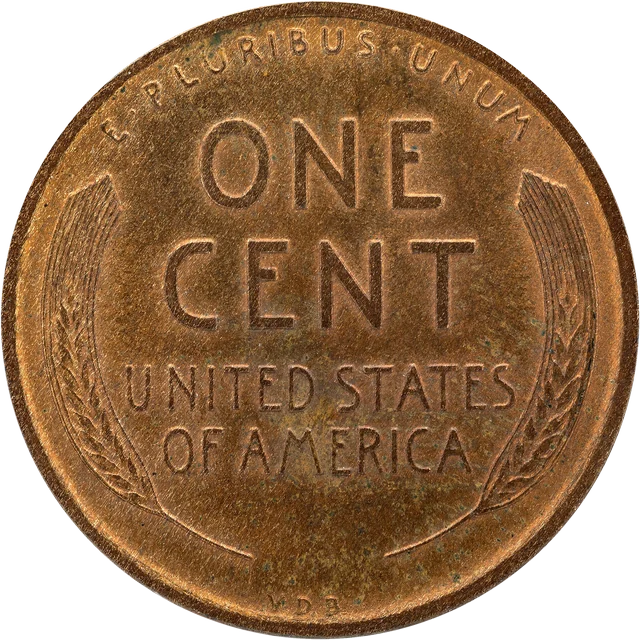
What a 1917 penny looks like
FrontBack
Shown: a 1909 VDB Lincoln wheat cent. Photos: National Numismatic Collection, National Museum of American History (photo by Jaclyn Nash), Public domain, via Wikimedia Commons.
Varieties and errors to check
1917 doubled die obverse
Look for: Clear doubling on IN GOD WE TRUST and the date.
A well-known doubled die worth far more than a normal 1917.
Front of the coin, just below the date. Philadelphia cents have no letter, and neither do the 1964 cents struck in San Francisco or the cents struck at West Point from 1974.
What it's made of
Bronze (95% copper, 5% tin and zinc), 3.11 grams, about 4¢ of copper
Melting cents and nickels is not allowed under U.S. Mint rules, so copper and nickel value is a guide only.
Mintage
How many were made
Coin
Type
Mintage
1917-D
For circulation
55,120,000
1917 (no mint mark)
For circulation
196,429,785
1917-S
For circulation
32,620,000
Questions
Is a 1917 penny silver?
No. 1917 pennies are made of bronze (95% copper, 5% tin and zinc).
Which 1917 penny is worth the most?
In MS65, the 1917-S is worth the most, about $9,400. In worn condition, the 1917-D is worth the most, about $1.50–14. The 1917 doubled die obverse is the one to look for: typical examples sell for $150–1,000.
Where is the mint mark on a 1917 penny?
Front of the coin, just below the date. Philadelphia cents have no letter, and neither do the 1964 cents struck in San Francisco or the cents struck at West Point from 1974.
As an Amazon Associate I earn from qualifying purchases. As an eBay Partner Network affiliate, we may also earn a commission when you buy through links on this site, at no extra cost to you. Affiliate disclosure.
 CoinYearValue