CoinYearValue
A recession year with no Denver coins and a scarce 1921-S
A recession began in 1921, and Philadelphia's nickel output fell from more than 63 million the year before to 10,663,000. Denver made none, and after this year the Mint struck no nickels at all until 1923.
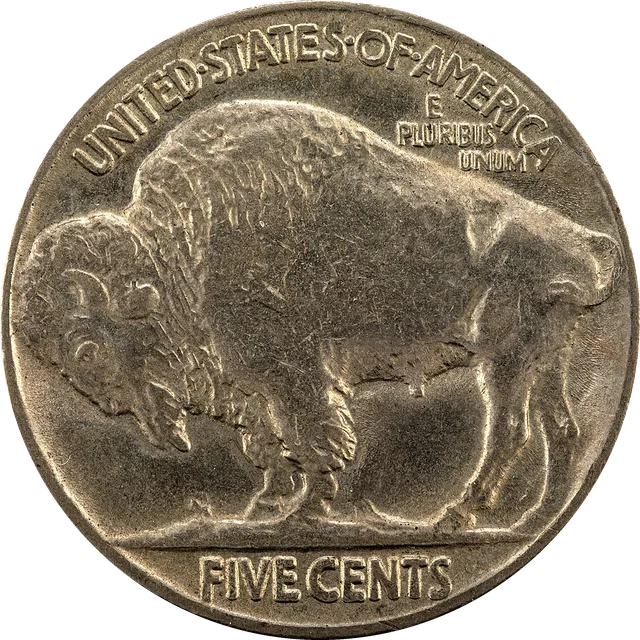
San Francisco added 1,557,000, the scarce coin of the year. For a San Francisco Buffalo nickel the 1921-S is usually decently struck, though some Mint State pieces have a mushy horn; that softness comes from the strike, not from wear. A sharp coin with a full horn carries a serious premium over a soft one in the same grade, and the highest confirmed price for a 1921 nickel is $51,750, paid for an MS66 1921-S at Bowers and Merena in November 2006.
The Philadelphia coin is easy to find worn, but in MS65 or better it is scarcer than every later Philadelphia Buffalo nickel except the 1924. Its record, $30,800 for an MS65, dates from August 1990 and has stood for decades.
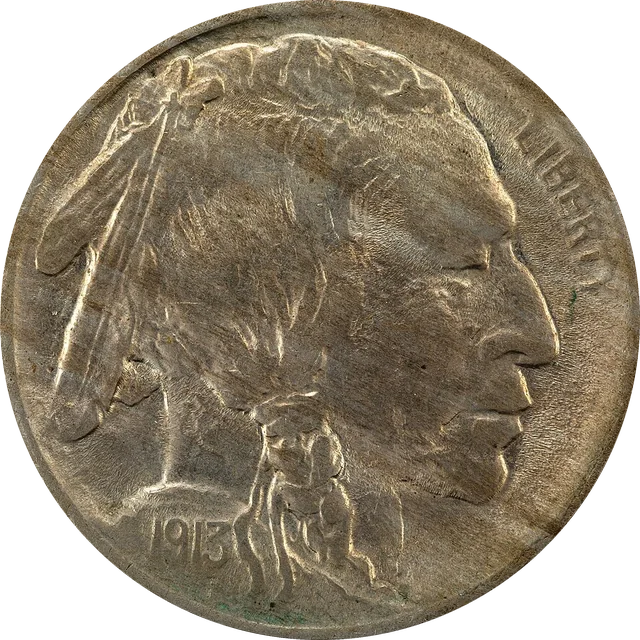
Two Feathers coins, with the smallest inner feather polished off the die, are recorded from both mints this year; a Philadelphia example graded MS67 sold for $7,800 at Heritage on January 12, 2020. Philadelphia also has a doubled die obverse, WDDO-001 in Wexler's listing, easiest to see as an extra eyelid or a doubled lip, with the second outlines lying toward the upper left.
What to check on this one
- No mint mark under FIVE CENTS means Philadelphia and an S means the scarce San Francisco coin; a 1921 nickel with a D is not genuine.
- On a 1921-S with a soft horn, check the rest of the coin for wear before lowering the grade; a mushy horn on this date is often a weak strike.
- For Two Feathers, the missing feather should be a clean absence, not a worn-down shape; gradual fading is usually just wear.
Sources: Buffalo nickel (Wikipedia); 1921 nickel value (CoinValueChecker); 1920 Buffalo nickel value (CoinValueChecker).