CoinYearValue
No Denver coins, and a 1923-S that is almost never well struck
Only two mints made nickels in 1923, the first year of production after none at all were struck in 1922. Denver sat the year out, so every genuine 1923 Buffalo nickel comes from Philadelphia or San Francisco.
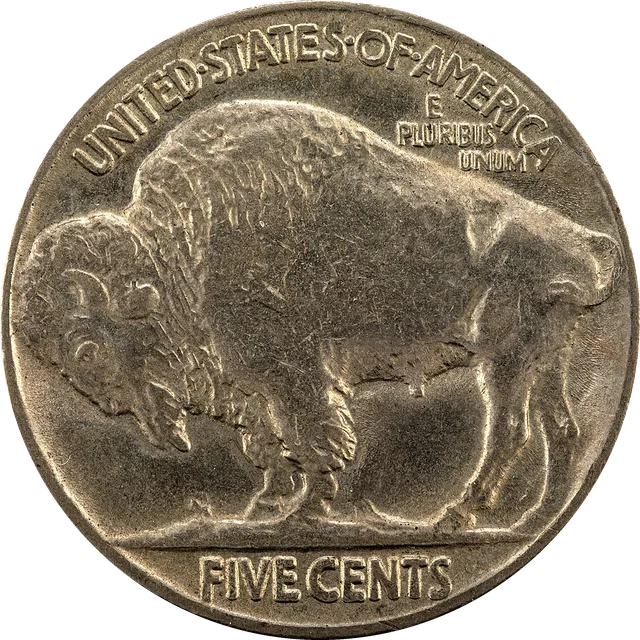
San Francisco's 6,142,000 coins are among the most underrated keys in the series. The mint reused worn dies, and nearly every 1923-S has a soft, flat reverse. In the early 1970s a leading numismatist went through an original roll of 40 uncirculated pieces and found every one flat, with no horn or tail detail. Prices climb quickly in Mint State, and a PCGS MS66 set the record at $67,563 at Heritage on June 5, 2013.
Philadelphia struck 35,715,000, nearly six times San Francisco's total, and its coins usually have a sharp strike and frosty luster, a real contrast with the mushy S-mint reverses. Mint State examples stay affordable through MS65, but the population drops off sharply above that. A PCGS MS67 holds the record at $18,400, sold by Bowers and Merena in January 2003.
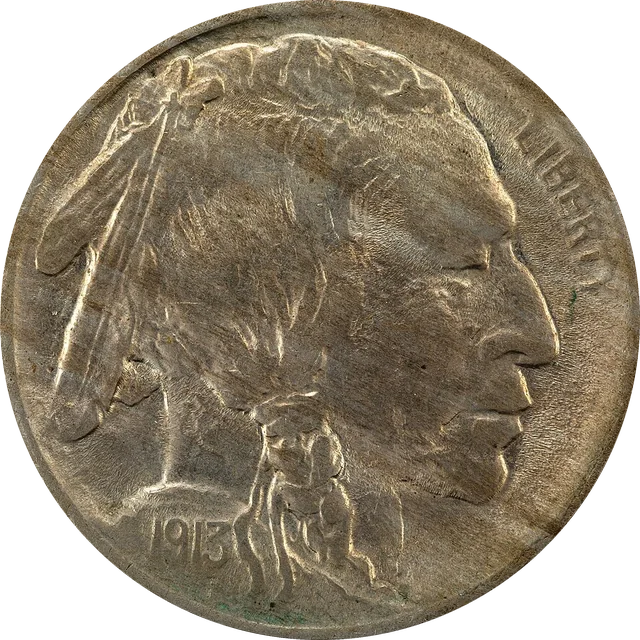
Two Philadelphia varieties are worth a look. On Two Feathers coins (FS-401), heavy die polishing removed the smallest feather near the neck, and one documented MS64 keeps only an isolated scrap of it. A doubled die obverse shows thick, broad strokes in the date and in LIBERTY. A missing designer's initial below the date is also reported, though wear can remove that tiny F as well.
What to check on this one
- Look below FIVE CENTS: a blank space means Philadelphia and an S means San Francisco; a 1923 with a D has been altered.
- On a 1923-S, don't expect a sharp horn or tail; judge it by luster and surface marks, and treat a coin with real reverse detail as a rarity.
- To check for Two Feathers, look between the neck and the hair under a 10x glass; if the third, smallest feather is missing or only an isolated speck, compare the rest of the portrait to rule out ordinary wear.
Sources: Buffalo nickel (Wikipedia); 1923 nickel value (CoinValueChecker).