CoinYearValue
The 1924-S was worn down hard, and the Philadelphia coin is a gem rarity
San Francisco struck only 1,437,000 nickels in 1924, one of the smallest mintages of the series, and heavy circulation wore most of them down to Good or Very Good. Mint State survivors are genuinely rare, and even a low-end uncirculated coin costs thousands of dollars. The record is $105,750 for an MS66+ sold by Stack's Bowers in November 2016.
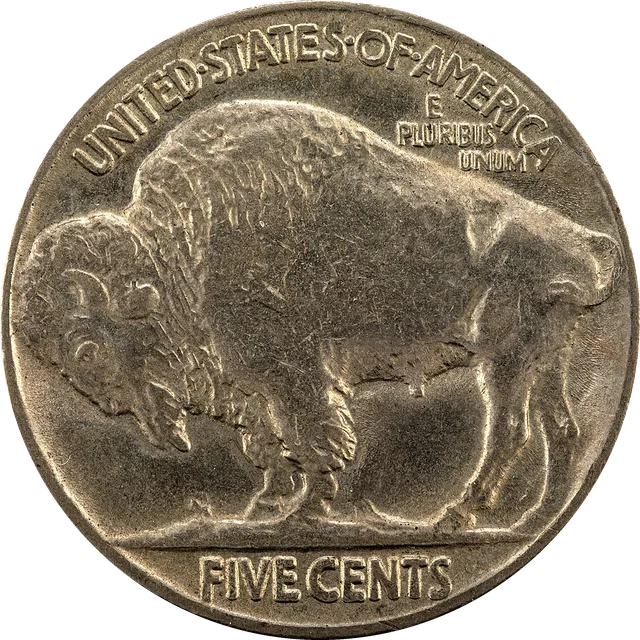
Denver made 5,258,000. Strikes vary widely, many coins have a soft horn, and the luster runs frosty, sometimes with a little iridescence. Gem 1924-D nickels are rare, and a sharp coin with full luster is a real find; an MS66 brought $44,063 at Heritage in June 2013.
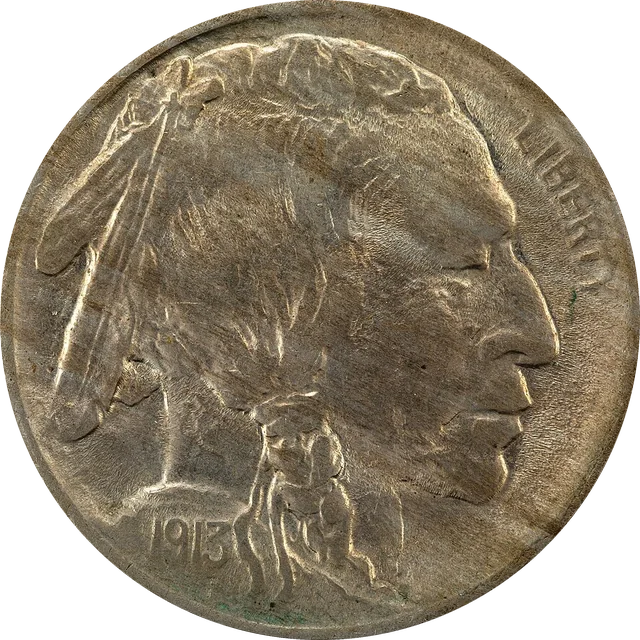
Philadelphia's 21,620,000 coins were the largest run of the year, yet in gem condition the 1924 is the rarest Philadelphia Buffalo nickel from 1919 to 1938. Even the 1921, the other hard Philadelphia date of the decade, is easier to find in gem. A 1924 in MS65 or better is genuinely tough, and an MS67 set the record at $25,200 at Heritage in January 2019.
One dramatic error from this year is a nickel struck on a copper cent blank. A documented NGC MS62 Brown example weighs 3.2 grams instead of 5, and the designer's F and the top of UNITED STATES OF AMERICA missed the smaller blank; it sold for $3,290 in January 2014. Off-center strikes from Philadelphia and Denver are also on record.
What to check on this one
- Weigh a copper-colored 1924 nickel before getting excited; a coin struck on a cent blank weighs close to 3.1 grams, while a copper-plated normal nickel still weighs about 5.
- On a 1924-D, check the horn for softness and the surfaces for original frosty luster; the combination of a sharp strike and full luster is what makes a gem.
- Grade a 1924 Philadelphia coin carefully before selling it; gems are scarcer than its mintage suggests.
Sources: 1924 nickel value (CoinValueChecker); 1921 nickel value (CoinValueChecker).