CoinYearValue

Home / Buffalo nickels

1916 Nickel Value

  • Worn$2.50–8.00Normal wear from circulation
  • Uncirculated$74–120No wear, MS60 to MS63
  • Certified MS65$360Near flawless, graded by PCGS or NGC

Values for the 1916 nickel with no mint mark. Other mint marks are in the table below.

A worn 1916 nickel with no mint mark sells for about $2.50–8.00.

Uncirculated, that coin brings $74–120, and a certified MS65 brings $360. In worn condition, the 1916-S is worth the most: about $9–47.

It's worth more than face value even when worn. Compare it with the table, and check the mint mark and the varieties below before selling.

Advertisement

The 1916 doubled die date, and the year the design was retouched

The Mint made small changes to the Buffalo nickel in 1916. LIBERTY was given more emphasis and moved slightly, and Walter Breen wrote that engraver Charles Barber lengthened the Indian's nose a little, though Q. David Bowers questions whether the portrait changed at all. In Breen's view none of it helped, and the coins were still rarely well struck.

The year's great rarity is the 1916 doubled die obverse, FS-101, struck at Philadelphia. The date shows a bold second outline, clearest on the final 1 and 6, and the lips and chin are doubled too, often plainly enough to see without a glass. Somewhere between 200 and 500 survive, mostly in mid-range circulated grades, with fewer than two dozen uncirculated. An MS64, the top grade for the variety, reached $281,750 at Bowers and Merena in 2004.

Denver struck 13,333,000, roughly a fifth of Philadelphia's total, and the 1916-D is scarce in circulated grades and hard to find at MS65 or better; most survivors have solid strikes and satiny luster. San Francisco's 11,860,000 was the smallest mintage of the three. Worn 1916-S nickels are easier to find than some other early San Francisco dates, but at MS65 and above the 1916-S is rarer than the 1913-S Type 2, the 1914-S and the 1915-S.

Philadelphia's 63,498,066 coins are the common ones, and they are the only 1916 nickels that can carry the doubled date.

What to check on this one

  • To check for the doubled die, start with the final 1 and 6 under a 10x glass, look for second shapes below and to the right of the digits, then confirm matching doubling on the lips and chin.
  • Mechanical doubling and die wear are far more common than the real doubled die and worth very little; several matching doubled features are a better sign than one thick number.
  • If a 1916 passes those checks, have it authenticated right away.

Sources: Buffalo nickel (Wikipedia); 1916 nickel value (CoinValueChecker).
Advertisement

Value by grade and mint mark

What each 1916 nickel is worth, by grade and mint mark
GradeNo markDS
GoodGood G4Heavily worn; date and letters still readable$2.50$13$9
FineFine F12Worn, but all the main lettering is clear$6$25$31
Very FineV. Fine VF20Light to moderate wear on the high spots$8$44$47
Extremely FineEx. Fine EF40Light wear on the highest spots only$10$76$71
About UncirculatedAbout Unc. AU50Traces of wear, some original shine$27$115$120
UncirculatedUnc. MS60No wear, but plenty of marks$74$175$200
Choice UncirculatedChoice Unc. MS63No wear and only a few marks$120$350$415
Gem UncirculatedGem Unc. MS65Certified and nearly flawless$360$1,700$2,200

Good through About Uncirculated are for coins as found, not in a grading holder. MS60 and MS63 are uncirculated coins; MS65 is a coin certified by PCGS or NGC. Values checked November 15, 2026 against public price guides and auction records. How values work.

What a 1916 nickel looks like

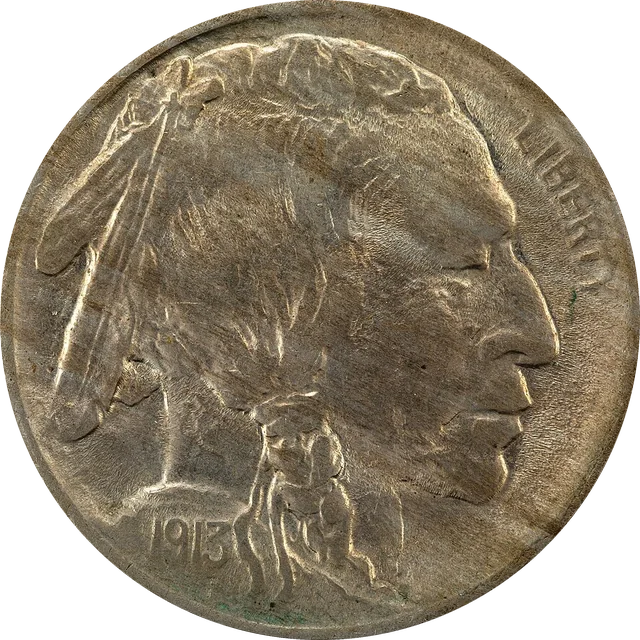
Front of a 1913 Buffalo nickel: a Native American's head facing right, with LIBERTY and the date
Front
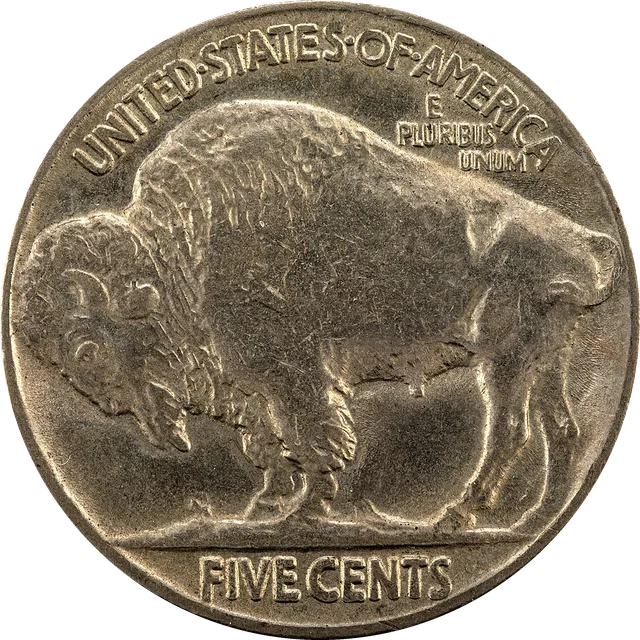
Back of a 1913 Type 2 Buffalo nickel: a bison standing on flat ground, with FIVE CENTS in a recess below
Back

Shown: a 1913 Buffalo nickel (front from a Type 1 coin, back from a Type 2 coin), the same design used through 1938. Photos: National Numismatic Collection, National Museum of American History (photo by Jaclyn Nash), Public domain, via Wikimedia Commons (front, back).

Varieties and errors to check

  • 1916 doubled die obverse Buffalo nickel (FS-101)

    Look for: A clearly doubled date: the 1916 shows a second, offset set of numerals, plain without a magnifier on most survivors. Philadelphia only, so there is no mint mark under FIVE CENTS.

    The working die took two misaligned impressions from the hub. Almost all known examples are worn, and it is the most valuable Buffalo nickel doubled die.

    Typical value: $5,000–25,000 (Good to About Uncirculated)

    Source

Find the mint mark

Back of the coin, below the words FIVE CENTS, under the bison. Philadelphia coins have no letter.

What it's made of

  • 75% copper, 25% nickel, 5.0 grams

Melting cents and nickels is not allowed under U.S. Mint rules, so copper and nickel value is a guide only.

Mintage

How many were made
CoinTypeMintage
1916-DFor circulation13,333,000
1916 (no mint mark)For circulation63,498,066
1916-SFor circulation11,860,000

Questions

Is a 1916 nickel silver?

No. 1916 nickels are made of 75% copper, 25% nickel.

Which 1916 nickel is worth the most?

In MS65, the 1916-S is worth the most, about $2,200. The 1916 doubled die obverse Buffalo nickel (FS-101) is the one to look for: typical examples sell for $5,000–25,000.

Where is the mint mark on a 1916 nickel?

Back of the coin, below the words FIVE CENTS, under the bison. Philadelphia coins have no letter.

Check real sales

Recent sold listings show what coins in your condition actually bring: see sold 1916 nickels on eBay.

Keep it safe: coin holders and a 10x loupe for checking details and mint marks.

As an Amazon Associate I earn from qualifying purchases. As an eBay Partner Network affiliate, we may also earn a commission when you buy through links on this site, at no extra cost to you. Affiliate disclosure.